Manish Singh Rawat: Uttarakhandi Race Walker
Manish Singh Rawat is an Indian race walker from Sattar village in the Chamoli district of Uttarakhand, who represented India in the 20km race walk at the 2016 Rio Olympics, finishing 13th. A former part time waiter and farm labourer who trained on hilly terrain in torn shoes, he went on to compete at the 2018 Commonwealth Games and is widely regarded as the pioneering figure behind Chamoli district's emergence as a hub for Olympic level race walkers.
From Selling Tea in Badrinath to Racing in Rio
Manish Singh Rawat's journey from a struggling waiter in the pilgrim town of Badrinath to an Olympic race walker is one of Indian athletics' most quietly remarkable stories. Long before Uttarakhand produced a wave of race walking talent, Rawat was the trailblazer who proved that a boy from the hills, training in torn shoes on mountain roads, could compete with the best in the world.
Early Life: Hardship in the Hills of Chamoli
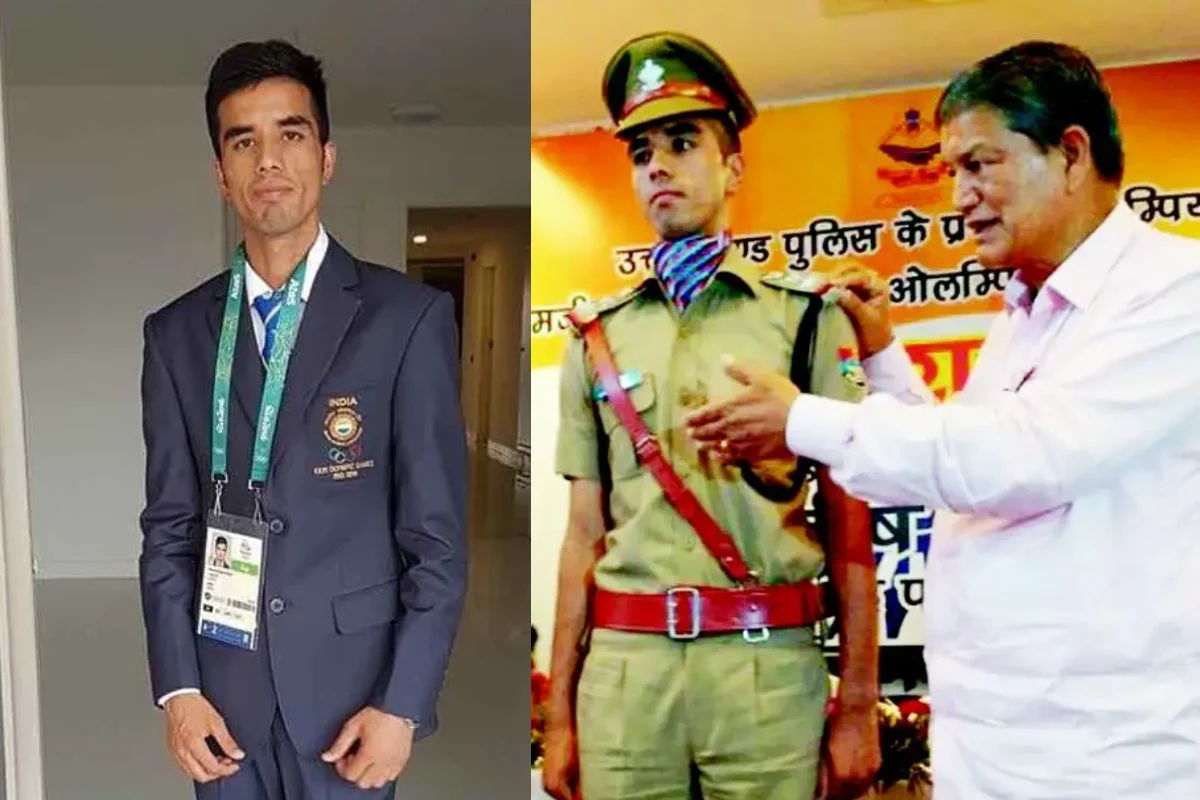
Manish Singh Rawat was born on 5 May 1991 in Sattar, a village in the Chamoli district of Uttarakhand, near the pilgrimage town of Badrinath. His father passed away when Manish was still a child, leaving his mother to raise four children, including him, largely through farm labour. Manish would work alongside his mother in the fields each morning before walking 7 km each way to school.
In 2006, to help support the family, he took up a part time job as a waiter at a small eatery near Badrinath. With two sisters and a younger brother also depending on the household's meagre income, Rawat realised that excelling in sport could be his path to a stable government job, and he decided to pursue race walking a discipline that, as he later explained, came somewhat naturally to him given how much walking is woven into everyday life in Uttarakhand's hill villages.
Training in Torn Shoes, Facing Ridicule
Rawat's path to elite race walking was anything but smooth. With no access to proper tracks, equipment, or specialised coaching in his early years, he trained on the hilly, uneven terrain around his village, often in worn out shoes. His unusual race walking gait a technical requirement of the sport, where the advancing leg must stay straight and contact with the ground must never fully break drew laughter and ridicule from people in his village who did not understand the discipline.
At one particularly difficult point, after being rejected for a sports quota government job despite already being a national level medallist, Rawat came close to giving up the sport altogether to focus on supporting his family. It was his coach who convinced him to continue, reassuring him that his future in the sport was bright a decision that would prove pivotal just a few years later.
Earning His Ticket to Rio
Rawat's breakthrough came in 2015. At the IAAF Race Walking Challenge in April that year, he clocked 1:20:50 in the 20km event, comfortably inside the Olympic qualifying mark. A few months later, at the 2015 World Championships in Beijing, he completed the gruelling 50km walk in 3:57:11, a result that secured him a second Rio berth in that event as well giving him the rare distinction of qualifying for the Olympics in two separate race walking distances.
Rio 2016: A Performance That Deserved More Attention
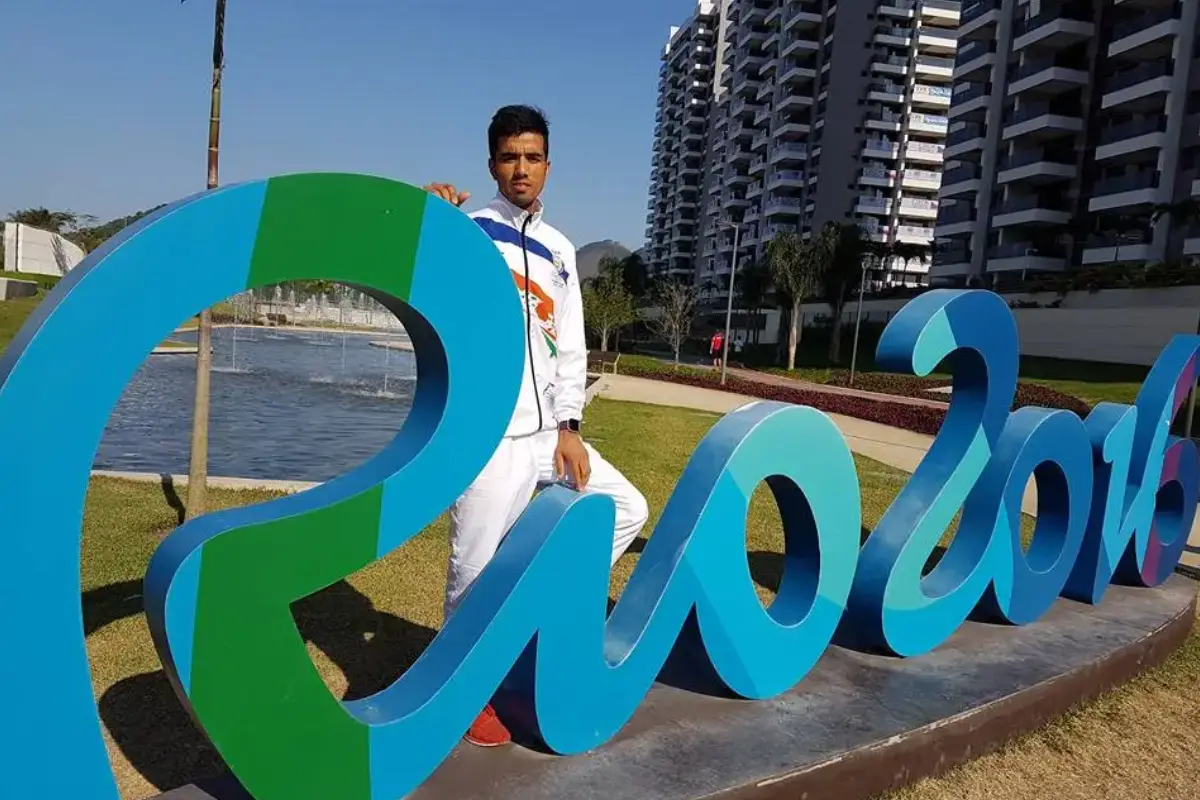
At the 2016 Rio Olympics, 25 year old Rawat trained under Russian coach Alexander Artsybashev at the national race walking camp in Ooty. Disaster nearly struck a day before his event when he injured his knee, but he competed regardless, asking his coach to help him push through the pain in his final preparations.
In the men's 20km race walk final, Rawat finished 13th with a time of 1:21:21 a result that went largely unnoticed by mainstream Indian media focused on the country's medal count elsewhere at the Games. Yet the achievement was extraordinary in context: Rawat finished ahead of four former world champions, three Asian champions, two European champions, and two Olympic medallists, missing out on the bronze medal by less than a minute.
Finding Support: GoSports Foundation
Following his rise to prominence, Rawat received crucial support from the GoSports Foundation through its Rahul Dravid Athlete Mentorship Programme, which helped provide him with more structured financial and training support a marked contrast to the years he spent juggling farm labour, waiting tables, and even driving tractors just to fund his own athletic ambitions.
Commonwealth Games 2018: A Top 8 Finish
Rawat continued to compete at the highest level after Rio, earning selection for the 2018 Gold Coast Commonwealth Games in the men's 20km race walk after finishing runner up at the National Race Walking Championships. At the Games, he finished a commendable 6th place with a time of 1:22:22, behind gold medallist Dane Bird Smith of Australia.
Pioneering India's 35km Race Walk
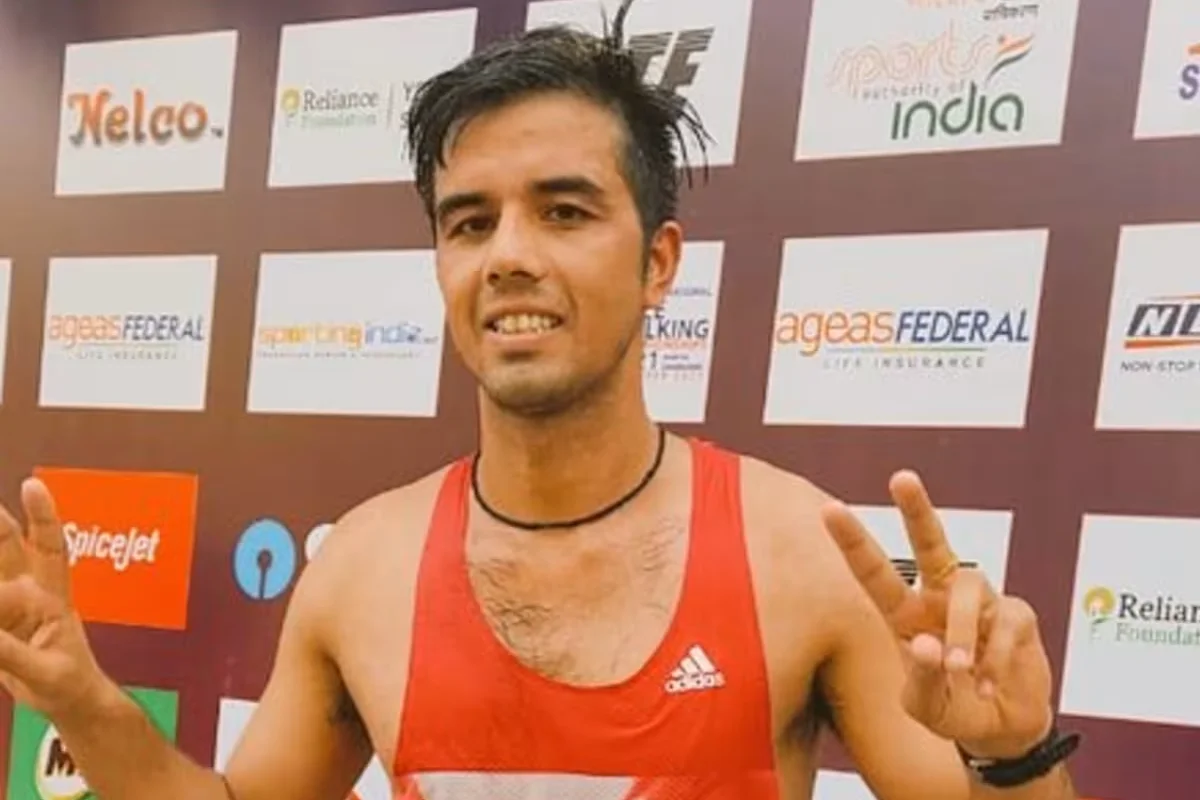
After World Athletics discontinued the 50km race walk following the Tokyo 2020 Olympics, the 35km event was introduced as its replacement. Rawat made history by winning the inaugural men's 35km title at the National & International Open Race Walking Championships in Ranchi in February 2021, clocking 2:49:12 to beat Tamil Nadu's Ganapati Krishnan by a comfortable nine minute margin becoming the first Indian national champion in the newly introduced distance.
Personal Bests
| Event | Time | Date & Venue |
|---|---|---|
| 20km Race Walk | 1:20:26 | 20 Mar 2016, Nomi, Japan |
| 50km Race Walk | 3:57:11 | 29 Aug 2015, Beijing, China |
| 35km Race Walk | 2:49:12 | National Title - 14 Feb 2021, Ranchi |
| 20,000m Track Walk | 1:25:15.00 | 13 Mar 2012, New Delhi |
| 5000m Race Walk | 22:48.91 | 1 Feb 2013, Etawah |
A Stable Future: Employment with Uttarakhand Police
Following his Olympic exploits and years of hardship supporting his family through odd jobs, Rawat eventually secured employment with the Uttarakhand State Police, providing the financial stability his early sporting career had lacked, and allowing him to continue training and competing at the national and international level with far greater security.
Legacy: The Original Chamoli Race Walker
Manish Singh Rawat's career holds special significance as the forerunner of what has become one of Indian athletics' most fascinating regional talent pipelines.
The first Olympic level race walker to emerge from Chamoli district, paving the way for a new generation including Paramjeet Singh Bisht and Suraj Panwar.
He is widely regarded as:
- Proof that world class endurance talent can emerge from India's remotest hill villages, given even minimal support
- The first Indian national champion in the newly introduced 35km race walk event
- A symbol of resilience, having balanced farm labour, waiting tables, and elite athletic training simultaneously for years
From walking 7 km to school as a child to racing past Olympic medallists in Rio, Manish Singh Rawat's journey continues to inspire the next generation of race walkers rising from the same hills he once trained on.