
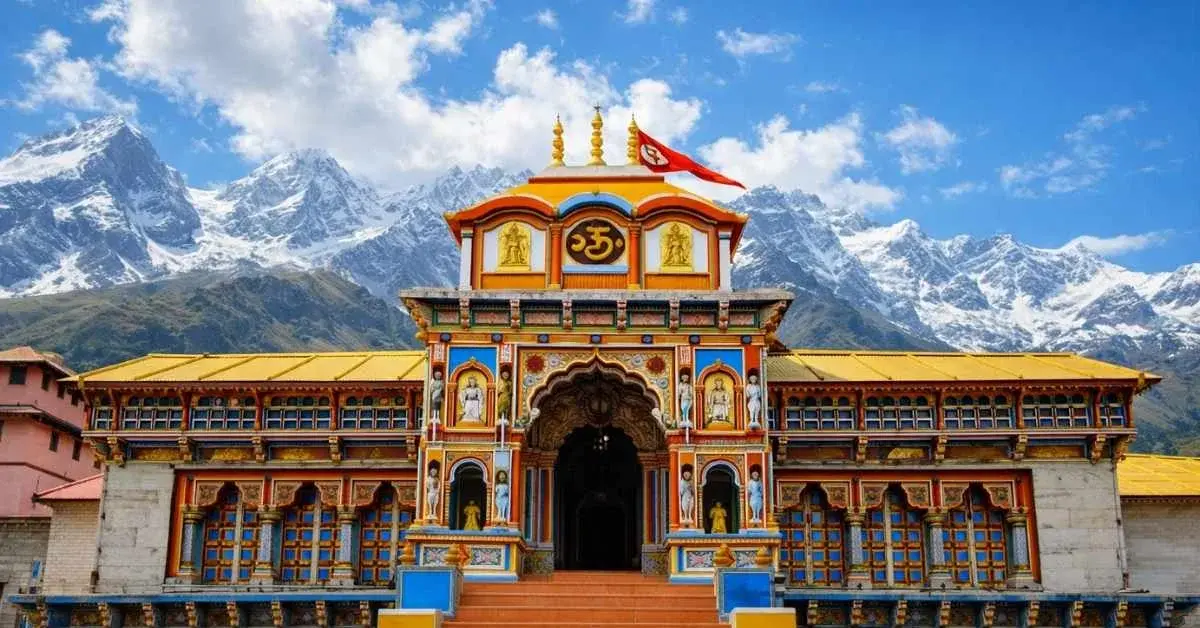
Shri Badrinath Dham Temple:
Shri Badrinath Dham Temple is one of the holiest Hindu shrines in India. It sits in the Himalayas in Uttarakhand and honors Lord Vishnu. Every year, lakhs of pilgrims visit for prayer, peace, and a deep spiritual experience.
This guide covers the temple’s history, daily timings, 2026 closing date, and head priest. It also explains aarti timings, puja booking, registration, stay options, and the winter seat of the deity.
What Is Shri Badrinath Dham Temple?
Shri Badrinath Dham Temple is a Vishnu temple in Chamoli district, Uttarakhand. It stands on the bank of the Alaknanda River. Its height is about 3,133 meters (10,279 feet) above sea level.
- Main deity: Lord Badri Narayan, a form of Vishnu
- Idol: Black Shaligram stone, in a meditation pose
- Location: Between the Nar and Narayan mountain ranges
- Status: Part of the Char Dham and Chota Char Dham circuits
- Also listed as: One of the 108 Divya Desams of Vaishnavism
History and Importance of Badrinath Dham
Tradition says Adi Shankaracharya revived the shrine in the 8th–9th century. He wanted to restore Hindu worship in the Himalayas. Local rulers later renovated the temple many times.
Believers say Lord Vishnu meditated here for years. Goddess Lakshmi took the form of a Badri tree to shelter him. That is how the name “Badri Narayan” came about. For many Hindus, a visit here is a step toward moksha, or spiritual freedom.
Many Hindu texts also place Badrinath in the Satya Yuga. They link the four Dhams to four ages: Badrinath, Rameswaram, Dwarka, and Puri.
Char Dham vs Chota Char Dham
- Char Dham: Badrinath, Dwarka, Puri, and Rameswaram
- Chota Char Dham: Yamunotri, Gangotri, Kedarnath, and Badrinath
Badrinath belongs to both lists. That makes it very special.
Who Is the Head Priest (Rawal) of Badrinath?
The head priest of Badrinath is called the Rawal. As of 2026, the Rawal is Ishwar Prasad Namboodiri.
The Rawal is always a Namboodiri Brahmin from Kerala. This custom goes back to Adi Shankaracharya’s time. Only the Rawal can touch the main idol and perform the key rituals.
A new priest first serves as Naib Rawal (deputy chief priest). After years of service, he becomes Rawal. The Dharmadhikari and Vedic scholars fix the temple’s opening and closing dates. The Rawal then announces them.
Shri Badrinath Dham Temple Opening and Closing Time
Timings change by season and crowd. The usual daily schedule is:
- Morning opening: Around 4:30 AM to 6:00 AM, with Mahabhishek and morning prayers
- Afternoon break: Around 12:00 PM to 4:00 PM
- Evening darshan: From about 4:00 PM
- Night closing: Around 9:00 PM, after the evening aarti
Tip: Timings change during festivals and peak season. Check the Badrinath-Kedarnath Temple Committee (BKTC) website before you travel.
Aarti and Puja Timings at Badrinath
The temple holds several daily rituals. Exact timings can shift, so confirm them on the BKTC site.
- Maha Abhishek: Early morning, before regular darshan
- Geeta Path and Bhagwat Path: Late morning
- Evening aarti: After 6:00 PM
- Shayan Aarti: Close to night closing, around 8:00–9:00 PM
How to Book Badrinath Puja Online
- Visit the official BKTC website.
- Open the online puja or darshan booking section.
- Choose the puja and the date.
- Enter your details and pay online.
- Save the receipt and carry a copy.
Book only from the official website. Avoid fake agents and unknown links.
Badrinath Temple Opening and Closing Date 2026
The temple opened for the 2026 season on 23 April 2026 at 6:15 AM. Before opening, the Gadu Ghada Tel Kalash Yatra carries sacred sesame oil from Narendra Nagar to the temple. Priests use this oil in the deity’s rituals.
The closing date is not final yet:
- Tentative closing date: Around 13 November 2026
- Official announcement: On Vijayadashami (Dussehra)
- Who announces it: The Rawal, after the date is fixed using the Panchang
Some websites list other dates, such as 6 November. So do not book late-season travel until the official date comes out.
Before closing, the temple holds the traditional Panch Puja ceremonies. The final closing ritual happens at night, and the doors shut with prayers.
Badrinath Weather and Temperature
☁—
Where Does the Deity’s Doli Stay When the Kapat Closes?
When the temple closes for winter, the idols and sacred items move to nearby winter seats:
- Uddhav Ji and Kuber Ji: The utsav (festival) idols travel in a doli to Pandukeshwar, to the Yogdhyan Badri temple.
- Adi Shankaracharya’s Gaddi: It goes to the Narsingh Temple in Joshimath.
- Main idol of Badri Narayan: It stays inside the Badrinath sanctum. According to belief, the devas, led by Narad Muni, worship Lord Badri Narayan during these six months.
Pilgrims can visit Joshimath and Pandukeshwar for darshan in winter.
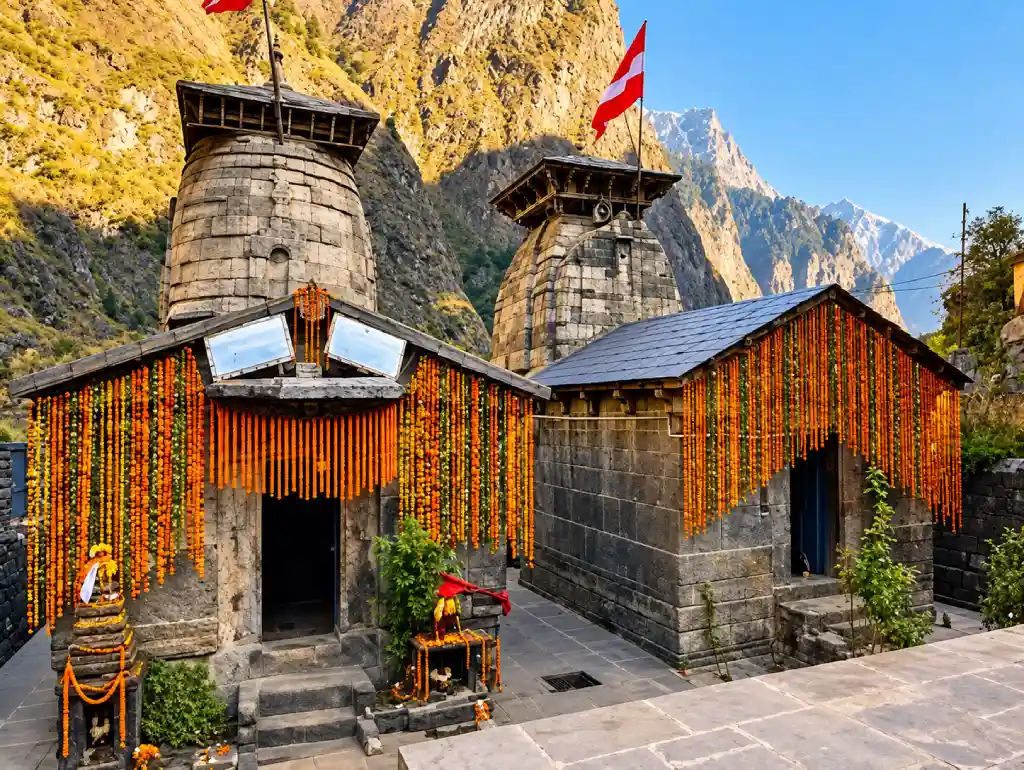
Pilgrims can visit Joshimath and Pandukeshwar for darshan in winter.
Temple Architecture and Rituals
The temple looks bright and colorful. It is a stone building with a painted front, called the Singh Dwar. The structure is about 15 meters tall and follows a Garhwali style.
Daily worship includes morning abhishek, aarti, and evening prayers. The Rawal leads the main rituals.
Prasad at Badrinath
Pilgrims often take the following as prasad:
- Dry fruits
- Chana dal
- Mishri (rock sugar)
- Tulsi garlands
Festivals at Badrinath
The biggest festival is the Mata Murti Ka Mela. It marks the descent of the river Ganga to earth. Thousands of devotees gather at the temple during this fair.
Best Time to Visit Shri Badrinath Dham Temple
- Opening: Late April to May
- Closing: Usually November, after Diwali
- Best months: May, June, September, and October
May and June have pleasant weather but heavy crowds. The monsoon (July–August) can bring landslides. Heavy snow covers the area from November.
Char Dham Registration for Badrinath
Registration is mandatory for the Char Dham Yatra. Register on the official Uttarakhand registration portal.
- Open the portal and create an account with your mobile number.
- Fill in the details of every pilgrim in your group.
- Upload a photo and a valid ID, such as Aadhaar.
- Choose your Dham and travel dates.
- Download the registration slip and keep it handy.
Offline counters also work in Rishikesh, Haridwar, and Dehradun during the season.
How to Reach Badrinath Dham
By Air
The nearest airport is Jolly Grant Airport, Dehradun, about 310 km away. Taxis are available from there.
By Train
Rishikesh and Haridwar are the closest major railway stations. Rishikesh is roughly 295 km from the temple.
By Road
Badrinath connects by road to Rishikesh, Haridwar, and Joshimath. Mountain roads are steep. Start early and avoid night driving. During the monsoon, check road updates for landslide-prone stretches, especially on the Joshimath–Badrinath route.
Distance to Badrinath (Approximate)
- Joshimath to Badrinath Distance: about 45 km
- Rishikesh to Badrinath Distance: about 295 km
- Haridwar to Badrinath Distance: about 320 km
- Dehradun (Jolly Grant Airport) to Badrinath Distance: about 310 km
- Delhi to Badrinath Distance : about 525 km
You can also open the route on Google Maps to navigate to Badrinath Temple, the last stop of the Char Dham Yatra.
Distances change slightly with the route and road conditions.
Distance Between Char Dham: Yamunotri, Gangotri, Kedarnath and Badrinath
The four shrines of the Chota Char Dham lie in different Himalayan valleys, so travelling between them takes long mountain drives. The usual order is Yamunotri → Gangotri → Kedarnath → Badrinath. The distances below are approximate road distances between the shrines and change slightly with the route taken.
| Route | Approx. Distance | Note |
|---|---|---|
| Yamunotri to Gangotri | About 225 km | Via Janki Chatti, Barkot, Uttarkashi and Harsil |
| Gangotri to Kedarnath | About 335–375 km | About 335 km via Ghansali and Guptkashi; about 375 km via Tehri, Srinagar and Rudraprayag. The road ends at Gaurikund, then a 16–18 km trek. |
| Kedarnath to Badrinath | About 220–240 km by road | From Gaurikund via Rudraprayag and Joshimath. Add the 16–18 km trek down from Kedarnath. The two temples are only about 41 km apart in a straight line. |
Most pilgrims need a full day of driving between each pair, so plan rest days, especially before the Kedarnath trek. Read more about the third Dham in our guide to Shri Kedarnath Dham Temple.
Where to Stay and Eat in Badrinath
- GMVN guest houses: Government-run, simple, and popular. Book early.
- Dharamshalas: Budget-friendly and close to the temple.
- Private hotels: More comfort, but higher prices in peak season.
- Joshimath: A good fallback if Badrinath is full.
Food is mostly simple vegetarian meals. Small eateries and temple-side shops serve dal, rice, roti, and tea. Book rooms at least a few weeks ahead for May, June, and October.
Hotels in Badrinath
Hotels in Badrinath are mostly simple, clean, and close to the temple. Rooms fill up fast during the yatra season, so plan your stay early.
Types of Hotels in Badrinath
- Government rest houses: GMVN Tourist Rest House is a budget-friendly choice and sits near the temple.
- Private hotels: These offer more comfort and room choices. Prices go up in May, June, and October.
- Dharamshalas: The cheapest option for pilgrims and large groups.
Popular Hotels in Badrinath
- GMVN Tourist Rest House
- Sarovar Portico Badrinath
- Hotel Mangalam
- Hotel Divine Ganga
- Hotel Shiv Kadamb
Tips for Booking Hotels in Badrinath
- Book a few weeks ahead for May, June, and October.
- Choose a hotel close to the temple if you travel with seniors or children.
- Confirm hot water and heating before you pay.
- Keep a booking confirmation on your phone and a printed copy.
Dress Code and Temple Rules
- Wear modest, comfortable clothes. Add warm layers.
- Remove your shoes before entering.
- Follow the queue and the staff’s instructions.
- Photography is usually not allowed inside the sanctum.
- Do not litter in the temple area or near the river.
Places to Visit Near Badrinath
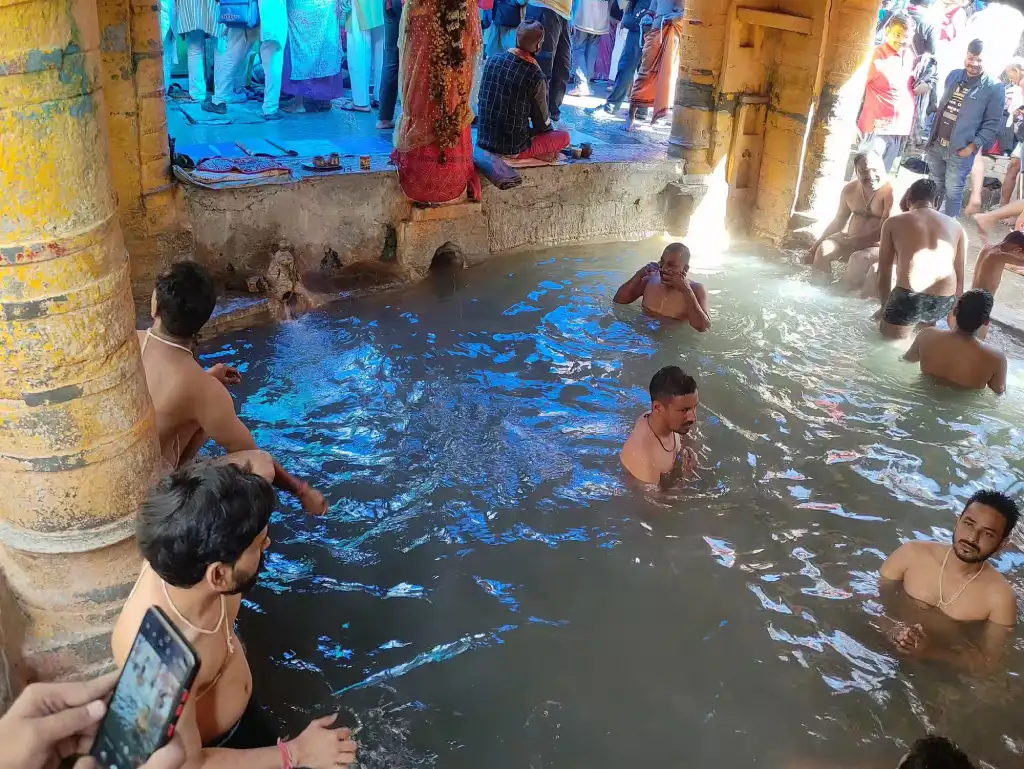
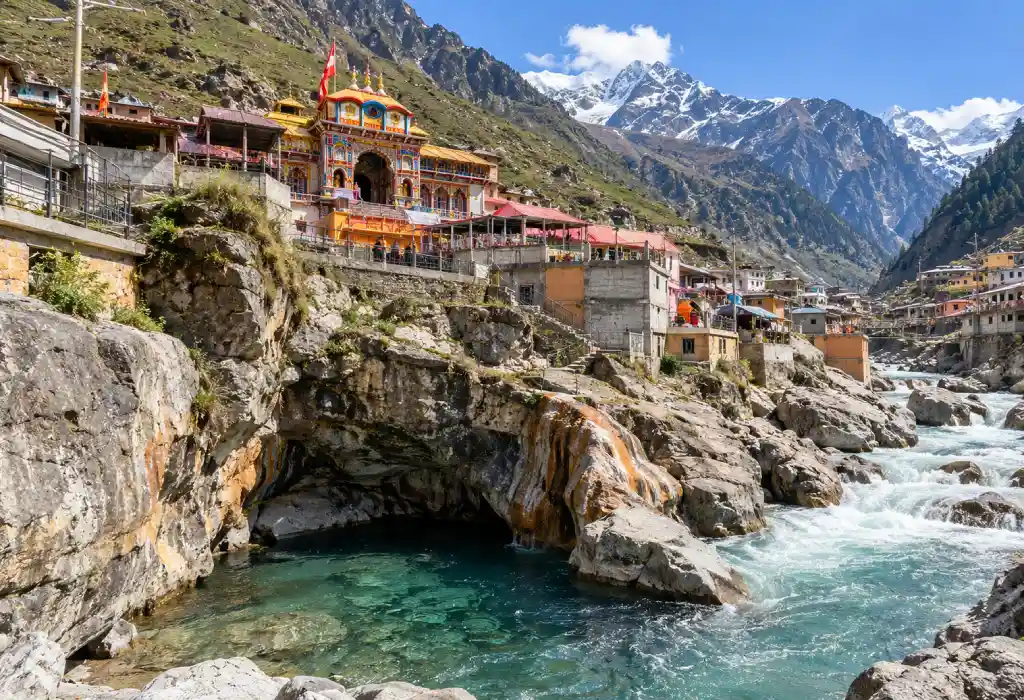
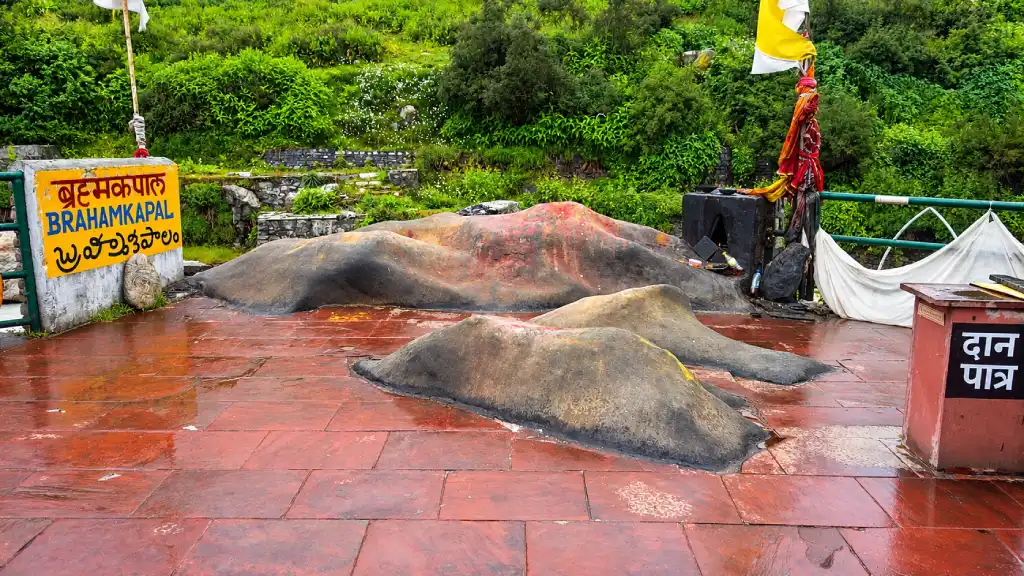
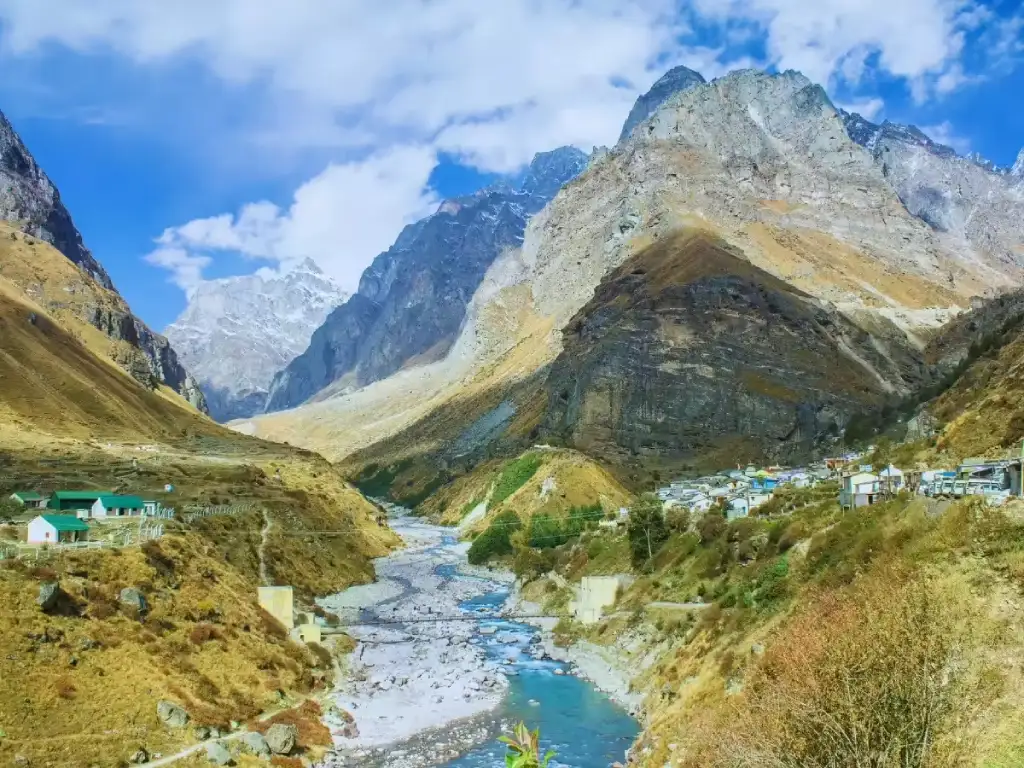
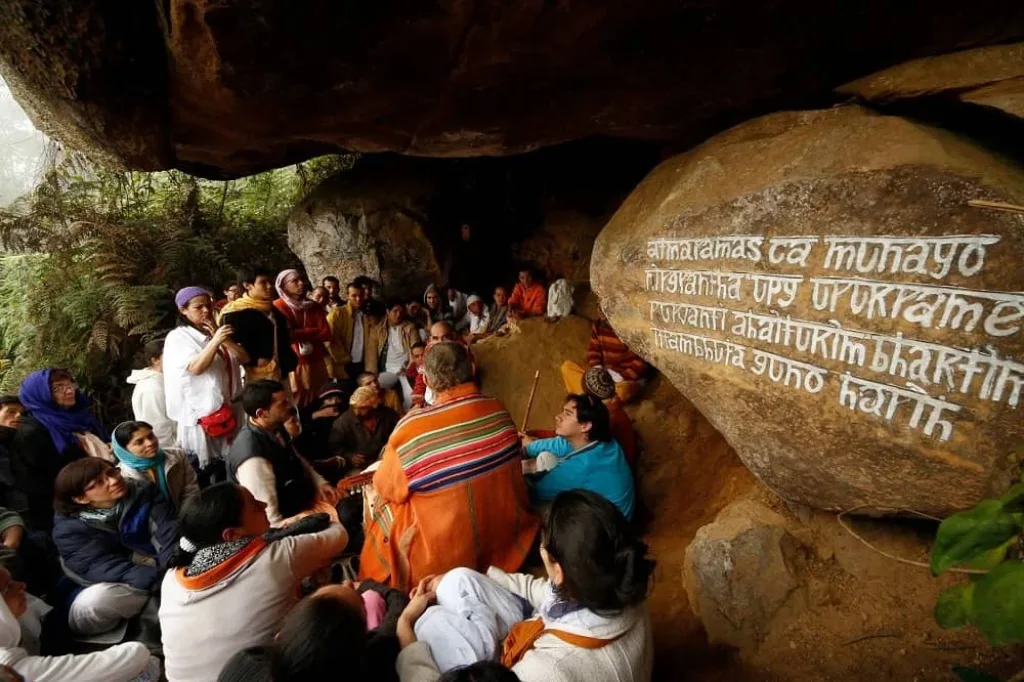
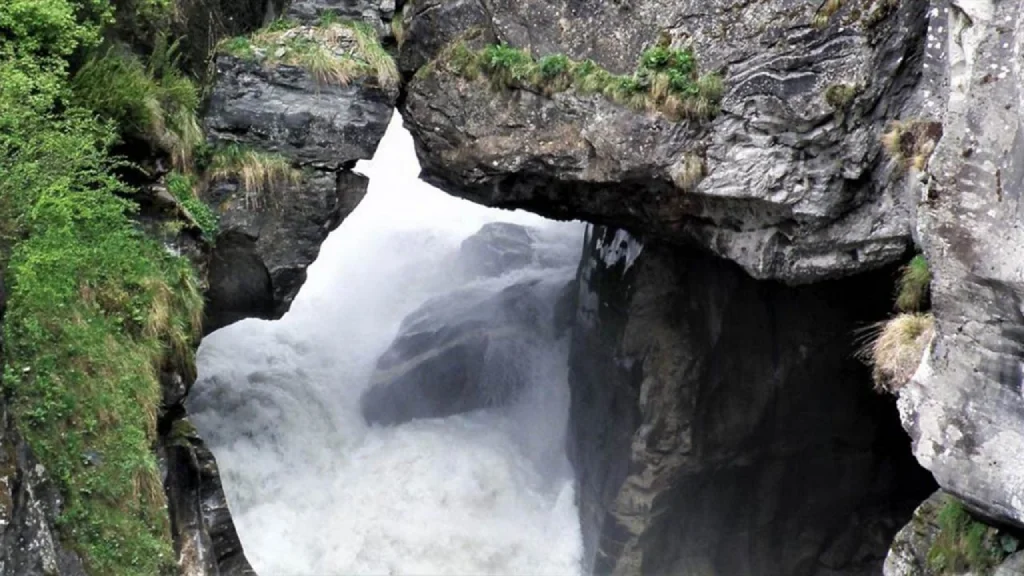
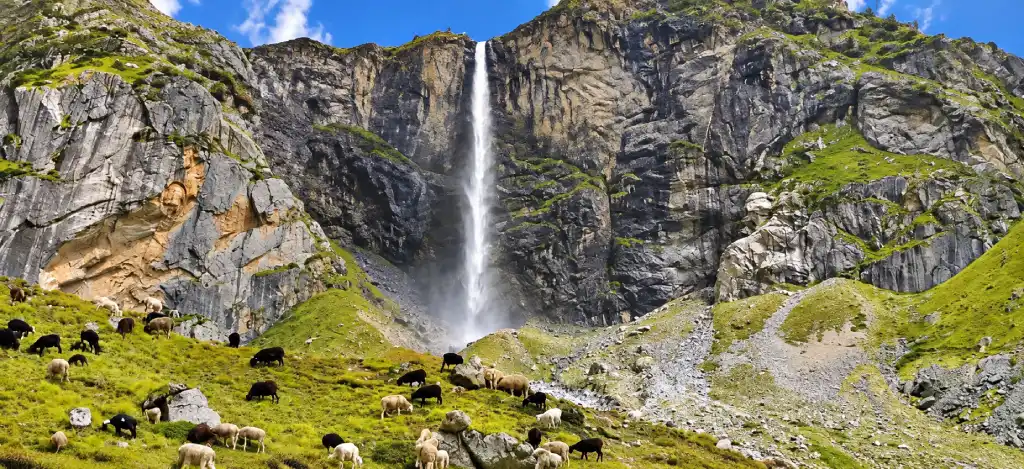
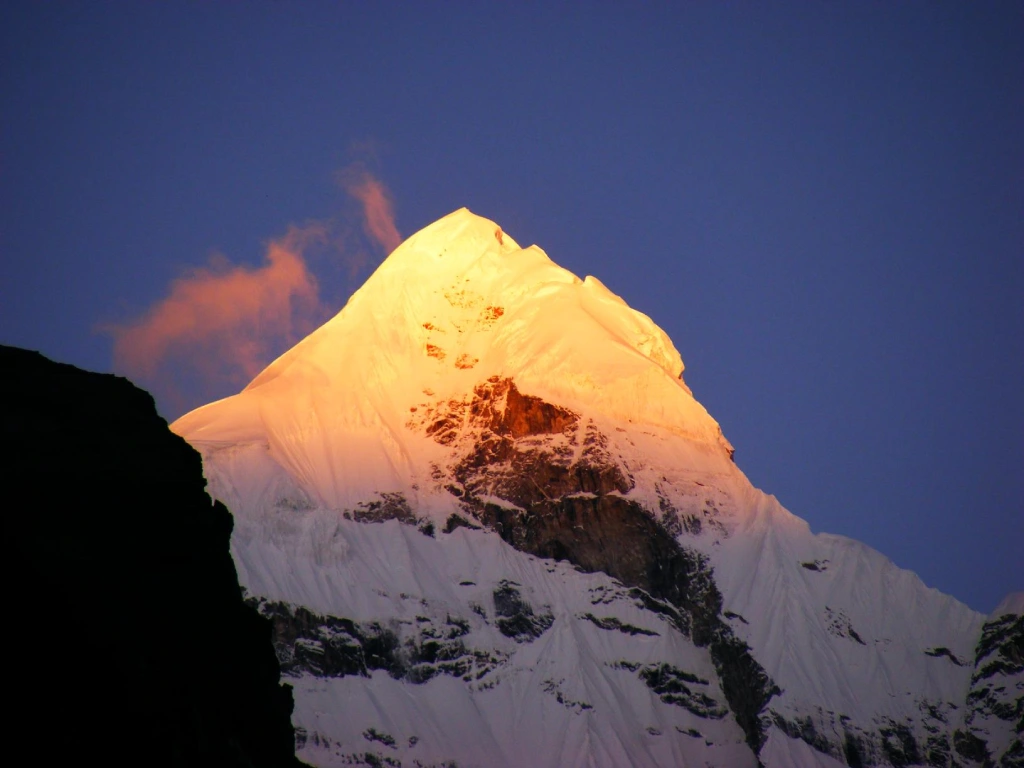
Panch Badri: The Five Badri Temples
Badrinath is also called Vishal Badri. It is one of five sacred Badri shrines:
- Vishal Badri: The main temple at Badrinath
- Yogdhyan Badri: At Pandukeshwar
- Bhavishya Badri: Near Tapovan, close to Joshimath
- Vriddha Badri: At Animath, near Joshimath
- Adi Badri: Near Karnaprayag
Simple Travel Tips for Pilgrims
- Complete Char Dham registration before you leave.
- Carry warm clothes, even in summer.
- Pack a rain jacket and comfortable shoes.
- Drink water often. High altitude causes tiredness.
- Rest on the first day to adjust.
- Keep your medicines with you.
- Book your stay early in peak season.
Seniors and people with heart, breathing, or blood pressure problems should talk to a doctor first.
Plan Your Shri Badrinath Dham Temple Yatra the Right Way
Shri Badrinath Dham Temple offers history, faith, and mountain views in one trip. Know the timings, check the closing date, and plan around the season. For official updates, visit the official BKTC website or Uttarakhand Tourism. A little preparation makes your journey smooth and memorable.