
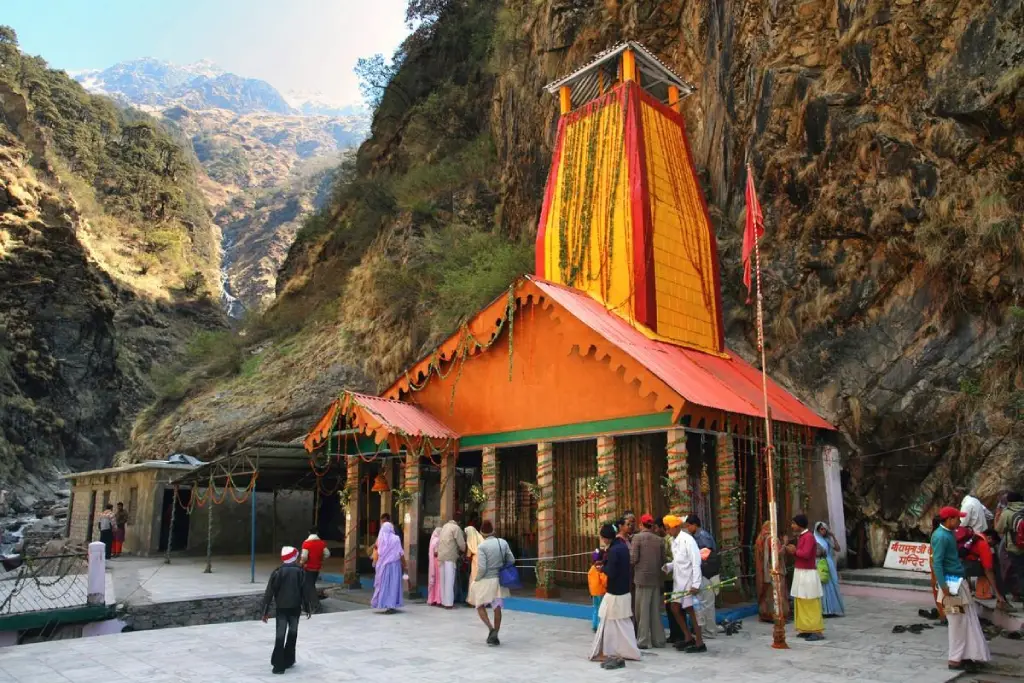
Yamunotri Dham Temple: The Complete Travel and Pilgrimage Guide
Yamunotri Dham Temple is the first stop of the Chota Char Dham Yatra. It sits high in the Garhwal Himalayas and honors Goddess Yamuna. Every year, lakhs of pilgrims travel here to pray and seek her blessings.
This guide covers history, timings, route, trek, stay and travel tips. Read on to plan your trip with ease.
What Is Yamunotri Dham Temple?
Yamunotri Dham Temple is a Hindu temple dedicated to Maa Yamuna. It is one of the four sacred Char Dham sites of Uttarakhand. Pilgrims start their yatra here, and then move on to Gangotri, Kedarnath and Badrinath.
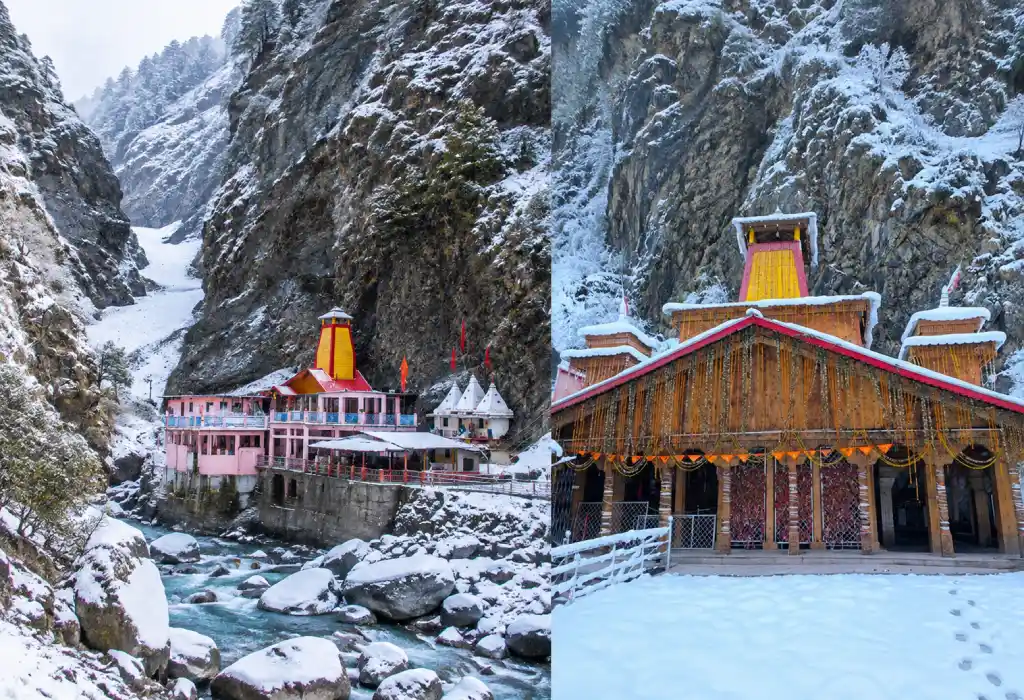
The temple opens for only about six months each year. Snow and cold close the area for the rest of the time.
Yamunotri Dham Temple Overview
Here is a quick snapshot:
- Deity: Goddess Yamuna
- Location: Uttarkashi district, Uttarakhand
- Altitude: About 3,293 metres (10,804 feet)
- Nearest road point: Janki Chatti
- Trek distance: Around 5–6 km one way
- Open period: April/May to October/November
- Winter seat of the goddess: Kharsali village
Where Is Yamunotri Dham Located?
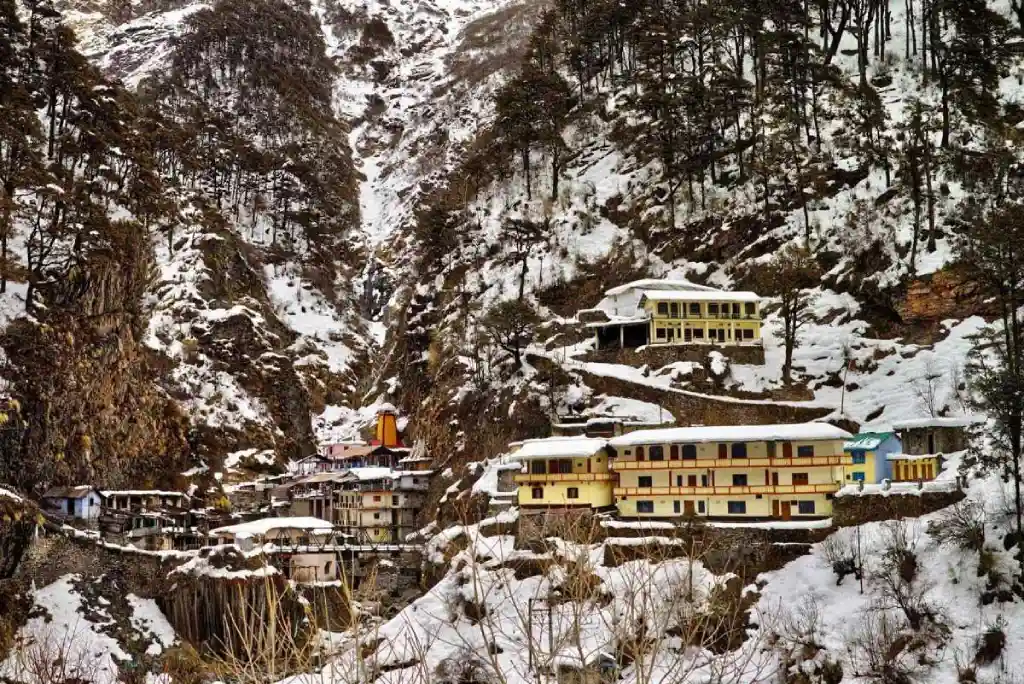
Yamunotri Dham is in the Uttarkashi district of Uttarakhand. It lies in the Garhwal Himalayas, at the foot of the Bandarpunch massif. The Yamuna river begins its journey in this region.
The nearest big town is Barkot. Dehradun is the main city and railhead for most pilgrims.
History of Yamunotri Dham
Old stories say Sage Asit Muni lived here. He bathed daily in both the Ganga and the Yamuna. When he grew old, he could not walk to the Ganga anymore. Then a stream of the Ganga appeared near the Yamuna for him.
In recorded history, Maharaja Pratap Shah of Tehri Garhwal built the temple in the 19th century. Floods, snow and earthquakes damaged it more than once. Later patrons rebuilt it each time. You can read more background on the Yamunotri Wikipedia page.
Yamunotri Temple Architecture and Main Attractions
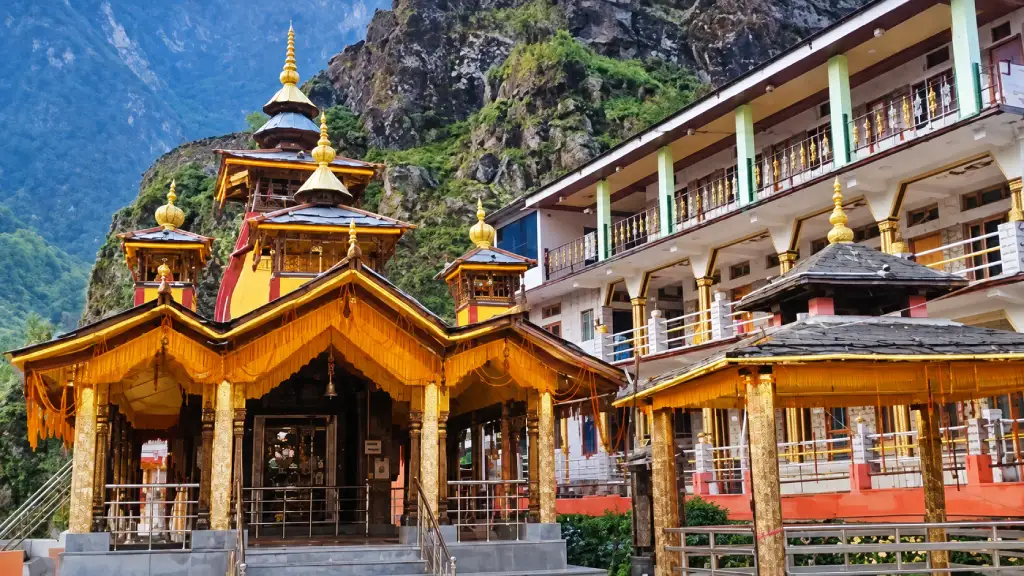
The temple is small and simple. It follows the Himalayan style, with a modest spire and stone walls. The main shrine holds a black marble idol of Goddess Yamuna.
Peace, not grandeur, is the real charm here. Snow peaks, a roaring river and pine-scented air surround the shrine.
Main attractions near the temple:
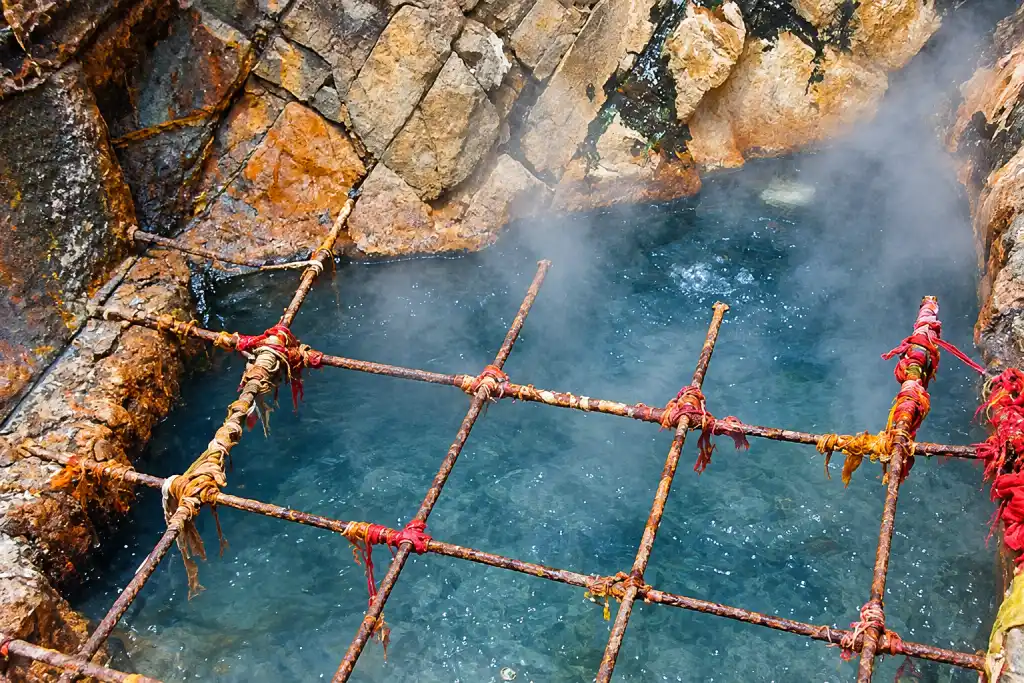
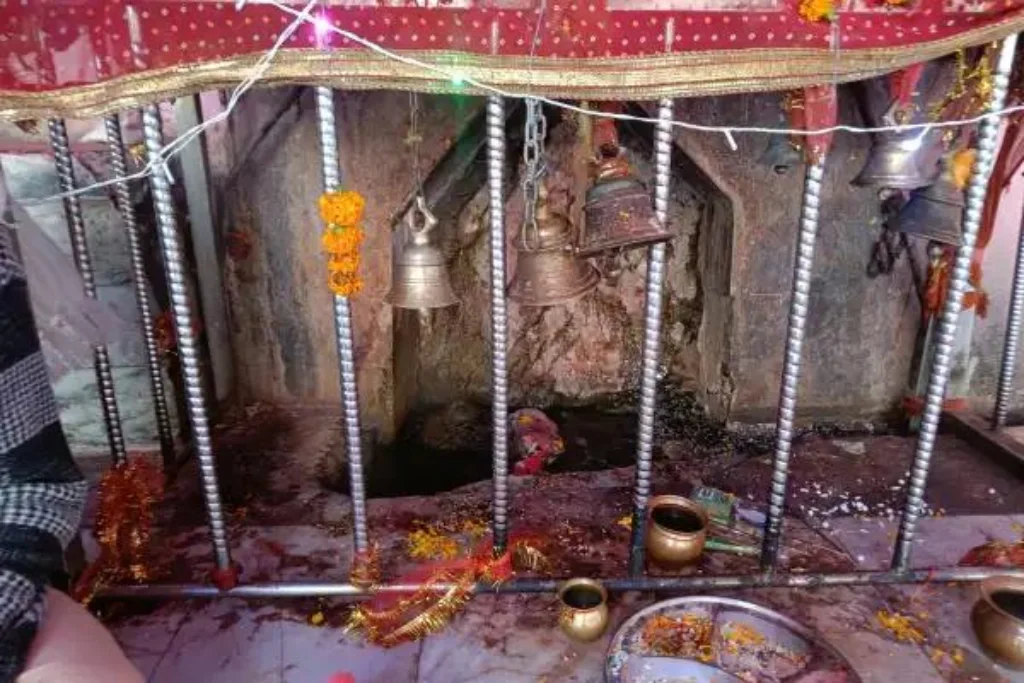
- Surya Kund hot spring
- Divya Shila rock
- Jamunabai Kund, the warm bathing pool
- Yamuna river bank
- Views of the Bandarpunch range
Religious Significance of Yamunotri Temple
Yamunotri is the first of the Char Dham. Many pilgrims believe the yatra should begin here. Devotees feel that a bath in the Yamuna’s water cleanses sins.
Another popular belief links Yamuna with Yama, the god of death. People say her blessings protect from untimely death. This is why the temple holds deep faith for many families.
Goddess Yamuna and Her Connection with Yamunotri
Hindu tradition calls Yamuna the daughter of Surya, the Sun God. She is also the sister of Yama. Her mother is Sangya (also called Sanjna).
Yamunotri is the place where the river is worshipped near its source. The real source is the Champasar Glacier, higher up. It is hard to reach, so the temple stands as the main place of worship.
Yamunotri Temple Opening and Closing Dates
The temple follows a fixed religious calendar:
- Opening: On Akshaya Tritiya, usually in April or May
- Closing: On Yamuna Dwitiya (Bhai Dooj), after Diwali, usually in October or November
Exact dates change every year. Local priests and the temple committee announce them. Always check the official Uttarakhand Tourism website before you book.
Where Does the Yamunotri Doli Go in Winter?
When the temple closes, the festival doli of Goddess Yamuna moves to Kharsali village, also known as Khushimath. It is a short distance from Janki Chatti.
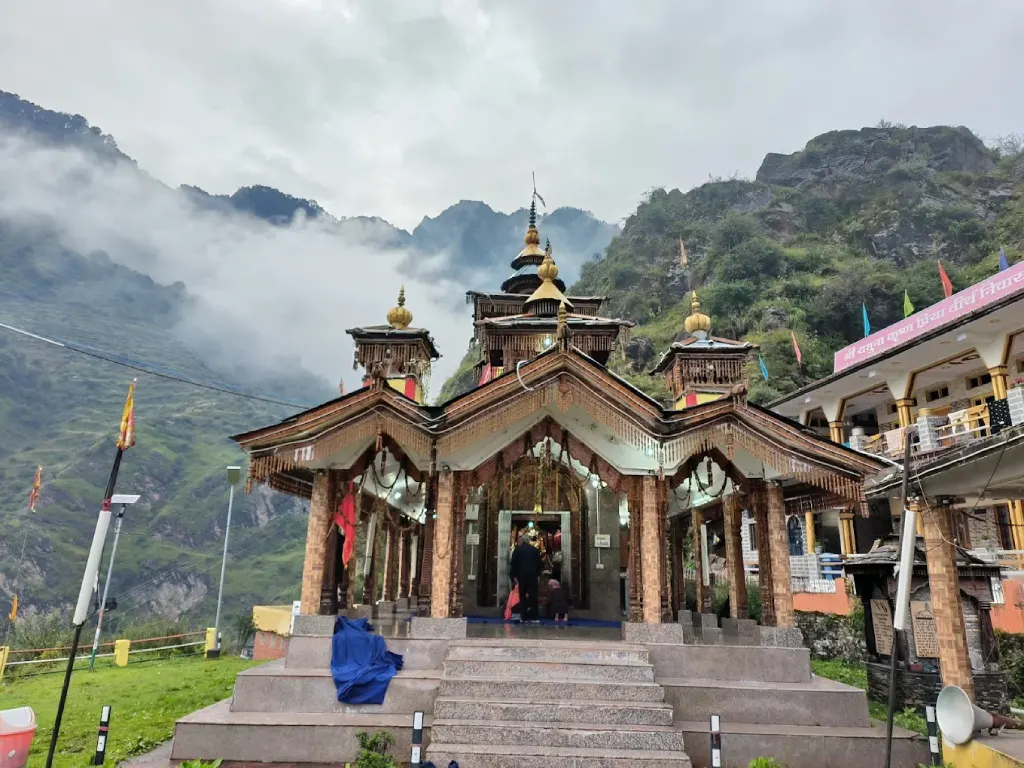
The goddess stays at the Shani Dev temple in Kharsali during winter. Devotees worship her there until the next opening. In spring, the doli goes back to Yamunotri in a grand procession.
Who Is the Main Priest (Rawal) of Yamunotri?
Unlike Badrinath and Kedarnath, Yamunotri does not commonly use the “Rawal” title. Temple rituals are performed by pujaris from Kharsali village, mostly from the Uniyal family. They also look after the winter worship in Kharsali.
Priest names and arrangements can change. For the latest details, check with the Shri Yamunotri Mandir Committee.
Yamunotri Temple Timings and Darshan
The temple usually opens early morning and closes by late afternoon or evening. Timings shift with weather and crowd size.
Tips for darshan:
- Reach early to avoid long queues.
- Do not bathe in Surya Kund. Its water is boiling hot. Use Jamunabai Kund for a bath instead.
- Keep your mobile and bags safe.
- Follow the priest’s guidance for puja.
Festivals at Yamunotri Dham Temple
Several events bring crowds and joy:
- Akshaya Tritiya: The temple doors open with prayers and rituals.
- Yamuna Chhath (Yamuna Jayanti): Devotees celebrate the goddess’s birth, usually in March or April.
- Yamuna Dwitiya (Bhai Dooj): The temple closes for winter, and the doli leaves for Kharsali.
Best Time to Visit Yamunotri
Choose your season with care:
- May to June: Clear skies and easy travel. This is the busiest time.
- September to October: Fewer people and calm weather. Views are lovely.
- July to August: Avoid it. Heavy rain brings landslides and slippery trails.
Yamunotri Weather Throughout the Year
- Summer (May–June): Cool days, around 6°C to 20°C. Nights are cold.
- Monsoon (July–August): Heavy rain and cloud. Roads can close.
- Autumn (September–October): Dry, crisp and cold. Mornings feel chilly.
- Winter (November–April): Snow covers the area. Temperatures fall below freezing, and the temple stays shut.
These are rough ranges. Always check the India Meteorological Department (IMD) forecast before you leave.
How to Reach Yamunotri Dham
You can reach Yamunotri by road, rail or air:
- By air: Jolly Grant Airport, Dehradun, is the nearest airport.
- By rail: Dehradun, Haridwar and Rishikesh are the main railheads.
- By road: Buses and taxis run from Dehradun to Barkot, and then to Janki Chatti. The drive from Dehradun to Janki Chatti is roughly 200 km and can take 8 to 10 hours.
The final stretch is on foot, by pony or by palanquin.
Yamunotri Temple Trek
The trek starts at Janki Chatti. It is about 5–6 km one way and takes 3 to 5 hours.
What to expect:
- A steady uphill path with steep patches
- Tea stalls and rest points on the way
- Stunning views of waterfalls and peaks
- Crowds in peak season
Ponies, palkis and dandi/kandi carriers help those who cannot walk. Ask for current rates, and pick registered service providers.
Yamunotri Dham Route Map
A route map helps you plan each leg of the journey. A simple version:
Dehradun → Mussoorie → Damta → Naugaon → Barkot → Syanachatti → Janki Chatti → Yamunotri
You can also open the route on Google Maps to navigate to Janki Chatti, the last road point.
Road conditions can change in the mountains. Start early and leave buffer time.
Distance Between Char Dham: Yamunotri, Gangotri, Kedarnath and Badrinath
Quick answer: The usual order is Yamunotri → Gangotri → Kedarnath → Badrinath. Each shrine lies in a different valley, so expect long mountain drives between them.
The distances below are approximate road distances. They change slightly with the route you take.
| Route | Approx. Distance | Note |
|---|---|---|
| Yamunotri to Gangotri | About 225 km | Via Janki Chatti, Barkot, Uttarkashi and Harsil |
| Gangotri to Kedarnath | About 335–375 km | About 335 km via Ghansali and Guptkashi. About 375 km via Tehri, Srinagar and Rudraprayag. The road ends at Gaurikund, then you trek 16–18 km. |
| Kedarnath to Badrinath | About 220–240 km by road | From Gaurikund via Rudraprayag and Joshimath. Add the 16–18 km trek down from Kedarnath. The two temples are only about 41 km apart in a straight line. |
Yamunotri Yatra Registration
Registration is a must for the Char Dham Yatra. You can register on the official Uttarakhand Char Dham registration portal or its mobile app.
Keep these ready:
- A valid photo ID
- Mobile number
- Travel dates
- Group details
Rules can change each season. Check the official portal before you start.
Important Places to Visit at Yamunotri
Hotels and Where to Stay for Yamunotri Yatra
Stay options right near the temple are simple. You will find basic guesthouses and dharamshalas around Janki Chatti. Rooms are small, and facilities are limited. Expect cold nights and basic food.
For better comfort, stay in towns on the route:
- Barkot: The best base. It has many hotels and good road links.
- Syanachatti: A quiet option near the trek start.
- Janki Chatti: Best if you want to start the trek very early.
- GMVN rest houses: Budget-friendly government options. Book through the GMVN official website.
Book early for May and June. Rooms fill up fast in peak season.
What to Carry for Yamunotri Yatra
Pack light but smart:
- Warm jacket, thermals and woolen cap
- Rain jacket or poncho
- Sturdy trekking shoes
- Water bottle and dry fruits
- Torch and power bank
- Basic medicines and a first-aid kit
- ID proof and registration printout
- Cash, since ATMs and networks can fail
Important Travel Tips for Yamunotri
- Start early. Weather often turns by afternoon.
- Walk slowly. Rest often at this altitude.
- Stay hydrated. Sip water through the day.
- Check road updates. Landslides can block routes.
- Be careful near hot water. Surya Kund can burn your skin.
- See a doctor first if you have heart, lung or blood pressure issues.
- Keep your plan flexible. Weather can change your schedule.
Yamunotri Dham Nearby Places to Visit
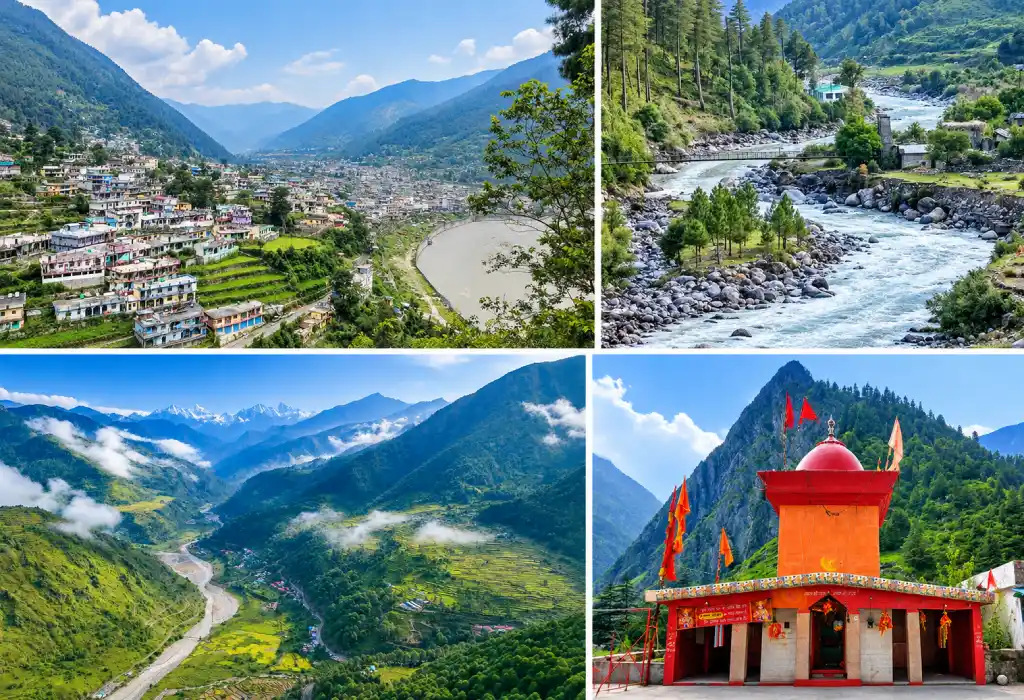
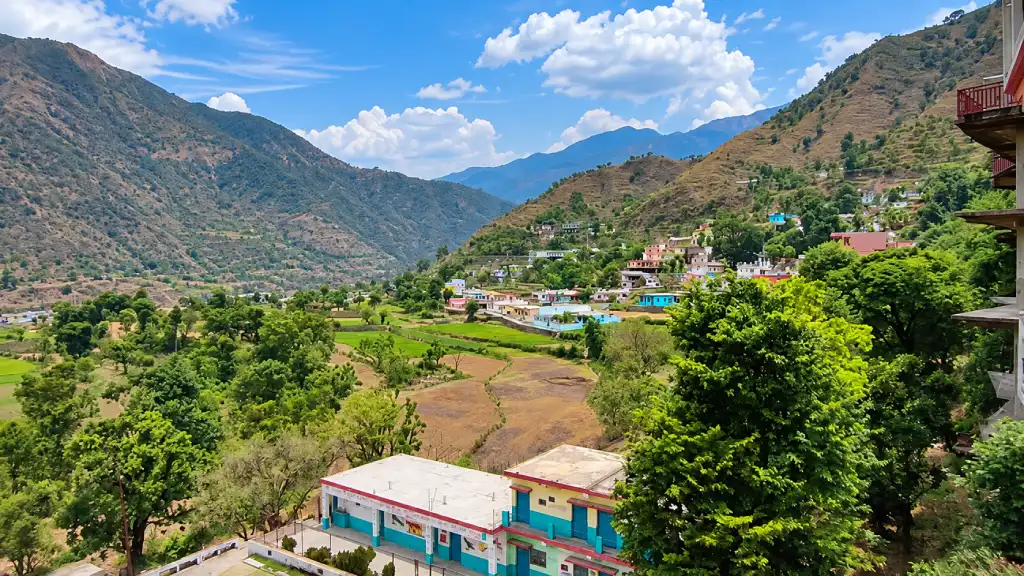
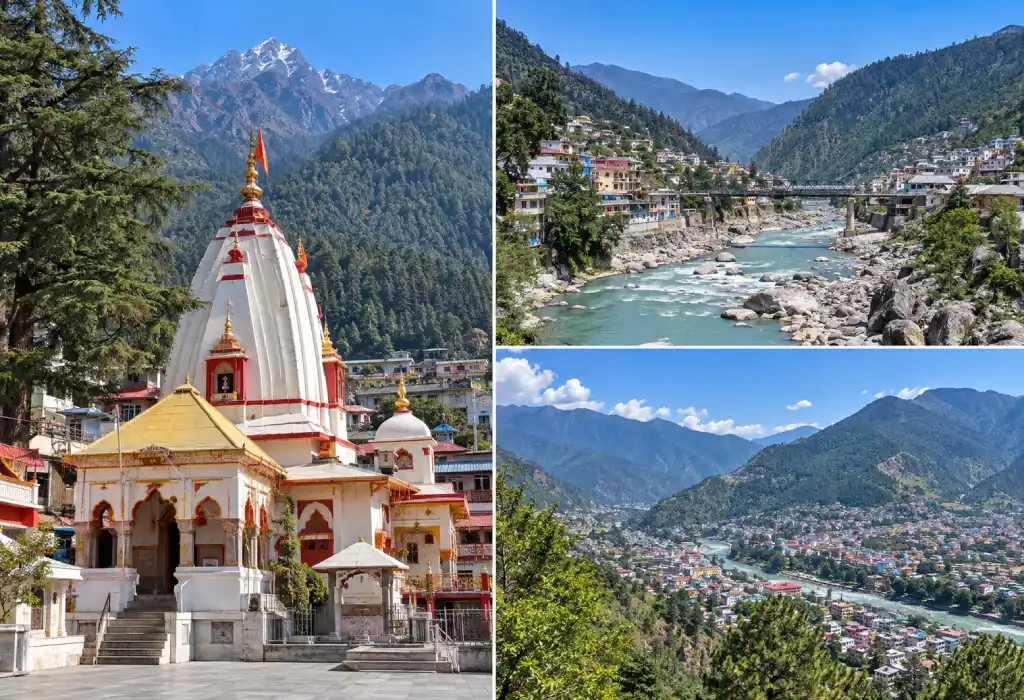
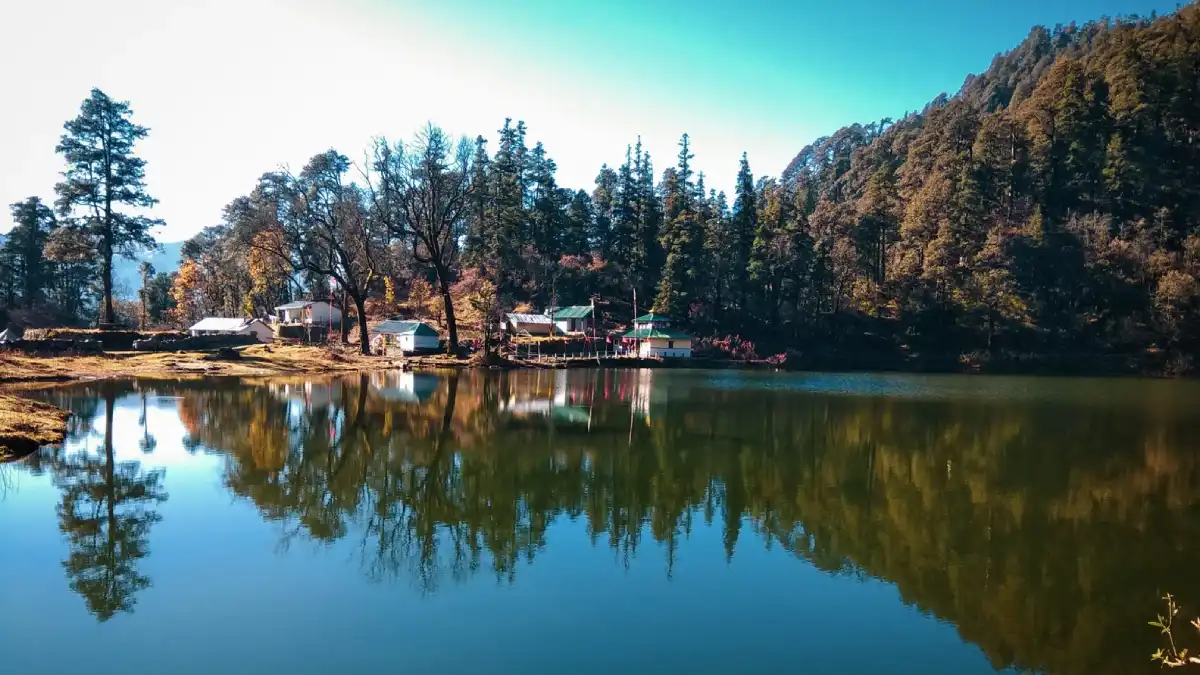
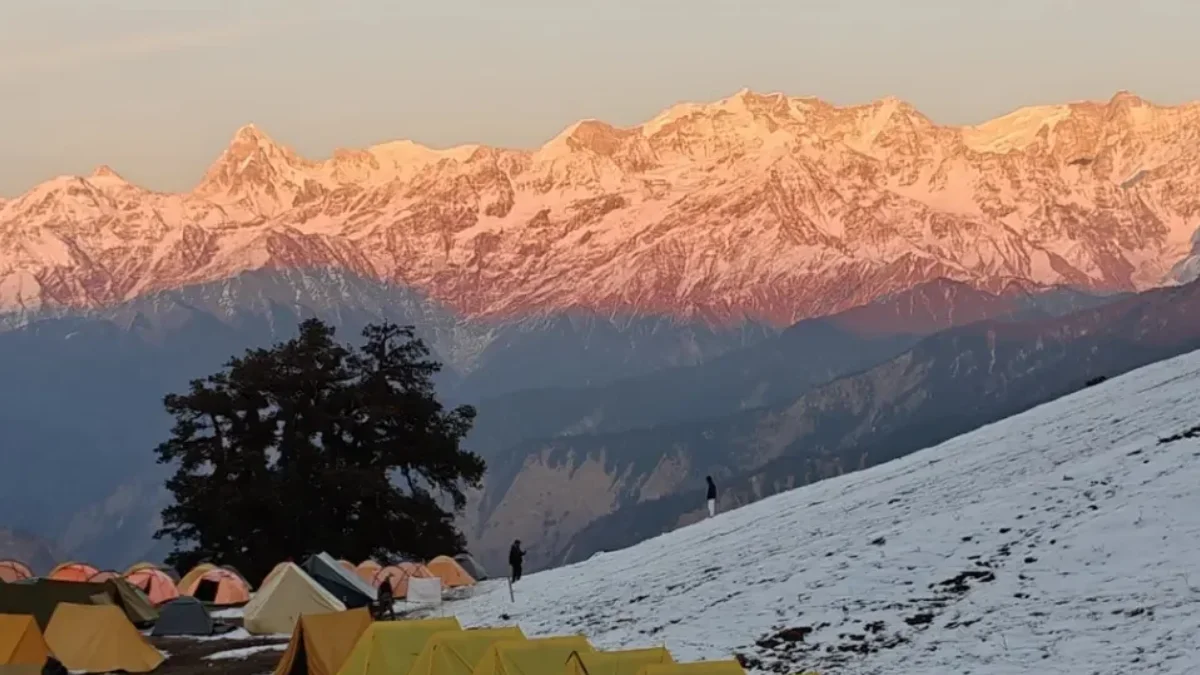
Make your trip richer with these stops:
Plan Your Yamunotri Dham Temple Yatra the Right Way
Good planning makes this yatra smooth and joyful. Pick the right season, register early and pack well. Start your trek in the morning, and take it slow.
The Yamunotri Dham Temple gives you faith, calm and a real Himalayan experience in one trip. After this stop, continue to Gangotri Dham, Kedarnath Dham and Badrinath Dham to complete your Char Dham journey.
4 Responses