
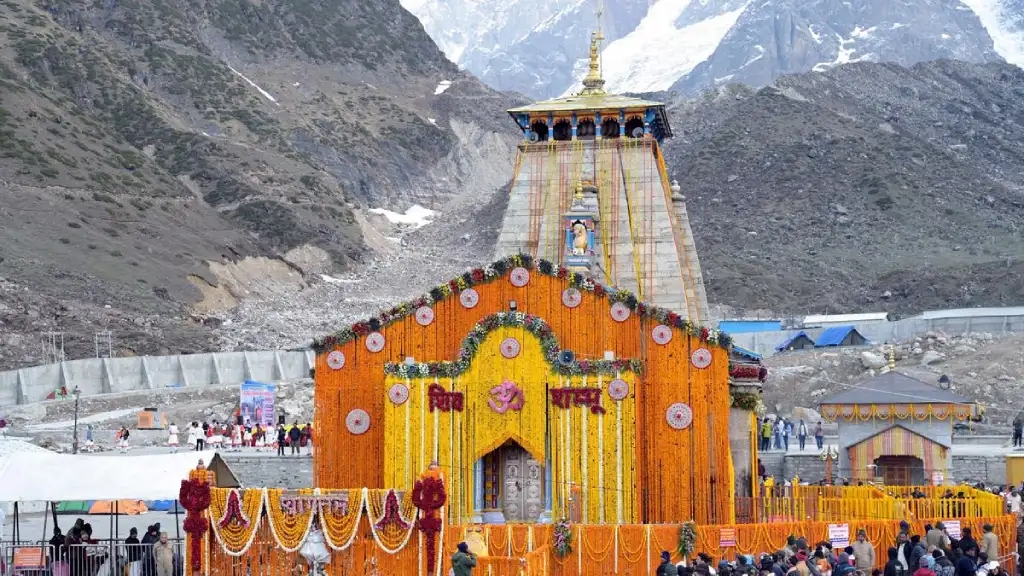
Shri Kedarnath Dham Temple:
Shri Kedarnath Dham Temple is one of the holiest Hindu shrines in India. It sits high in the Garhwal Himalayas in Uttarakhand and honors Lord Shiva. It is one of the 12 Jyotirlingas, and every year lakhs of pilgrims make the climb for prayer, peace, and a deep spiritual experience.
This guide covers the temple’s history, daily timings, 2026 closing date, and head priest. It also explains aarti timings, puja booking, registration, the Gaurikund trek, helicopter service, stay options, the winter seat of the deity, and the distance between all four Char Dham shrines.
What Is Shri Kedarnath Dham Temple?
Shri Kedarnath Dham Temple is a Shiva temple in Rudraprayag district, Uttarakhand. It stands near the Mandakini River, below the Kedarnath peak. Its height is about 3,583 meters (11,755 feet) above sea level.
- Main deity: Lord Kedarnath, a form of Shiva
- Idol: A conical, triangular rock-shaped Shivling (not a carved statue)
- Location: Along the Mandakini River, surrounded by snow peaks
- Status: One of the 12 Jyotirlingas and part of the Chota Char Dham circuit
- Also known as: The first shrine of the Panch Kedar group
- Access: Only on foot, by pony or palki, or by helicopter from Gaurikund side
History and Importance of Kedarnath Dham
Tradition says Adi Shankaracharya revived and restored the shrine in the 8th century. The ruins of a monument marking his samadhi stand behind the temple. It is not certain who built the original temple, and it was renovated by later rulers.
According to a popular legend, the Pandavas sought Lord Shiva’s forgiveness after the Kurukshetra war. Shiva avoided them by taking the form of a bull. When Bhima caught him, the bull sank into the ground, and the hump remained at Kedarnath. The other parts appeared at four other places, which together form the Panch Kedar.
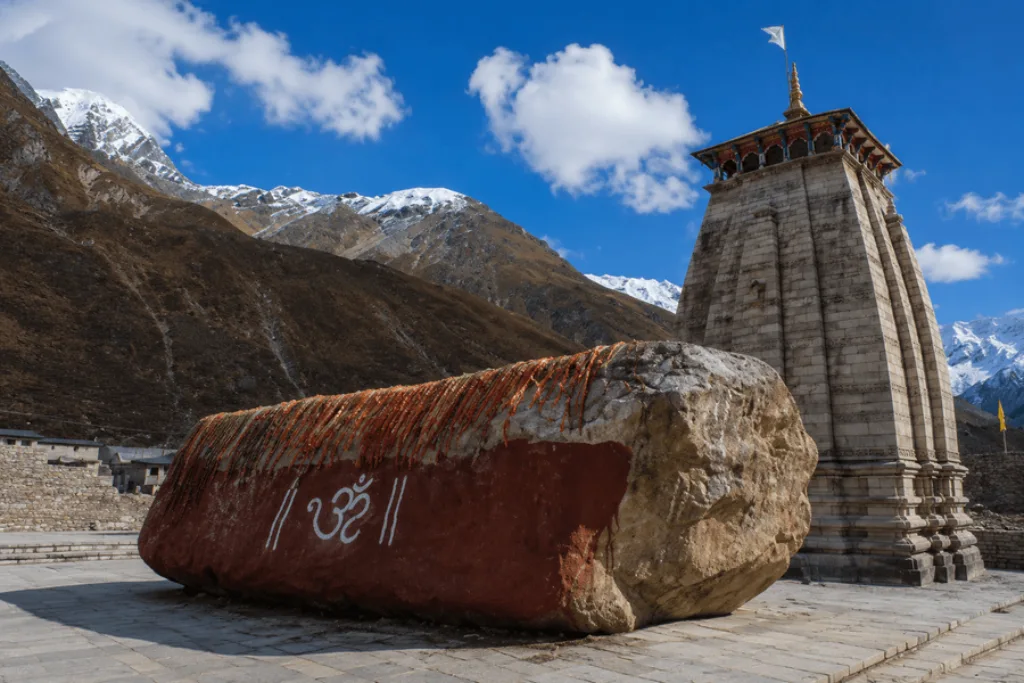
For many Hindus, a visit here is a step toward moksha, or spiritual freedom. During the 2013 floods, a large boulder, now called Bhim Shila, stopped the debris and protected the main temple. Devotees see it as a divine miracle.
Kedarnath: One of the 12 Jyotirlingas
Kedarnath is one of the 12 Jyotirlingas of Lord Shiva. A Jyotirlinga is a shrine where Shiva is worshipped as a self-manifested column of light (jyoti). Devotees believe that visiting even one of them brings blessings, and many try to visit all twelve. Kedarnath is the Jyotirlinga in the Himalayas and is among the highest of the twelve.
The 12 Jyotirlingas are:
- Somnath: Gujarat
- Mallikarjuna: Srisailam, Andhra Pradesh
- Mahakaleshwar: Ujjain, Madhya Pradesh
- Omkareshwar: Madhya Pradesh
- Kedarnath: Uttarakhand
- Bhimashankar: Maharashtra
- Kashi Vishwanath: Varanasi, Uttar Pradesh
- Trimbakeshwar: Nashik, Maharashtra
- Vaidyanath: Deoghar, Jharkhand
- Nageshwar: Dwarka, Gujarat
- Rameshwaram: Tamil Nadu
- Grishneshwar: Aurangabad (Chhatrapati Sambhajinagar), Maharashtra
Kedarnath is also part of the Chota Char Dham circuit, along with Yamunotri, Gangotri, and Shri Badrinath Dham Temple, so the yatra combines a Jyotirlinga darshan with the other Himalayan shrines.
Who Is the Head Priest (Rawal) of Kedarnath?
The head priest of Kedarnath is called the Rawal. At the 2026 opening, the Rawal in office was Bhimashankar Ling.
Unlike Badrinath, the Rawal of Kedarnath belongs to the Veerashaiva (Lingayat) sect of Karnataka. This custom goes back to Adi Shankaracharya’s time. The Rawal must remain celibate, and he moves with the deity to Ukhimath in winter. The daily pujas inside the sanctum are performed by the temple’s priests under his guidance.
Note: Reports from the Mahashivratri 2026 ceremony at Ukhimath also mention that a new Rawal, “Kedar Ling”, was named, with T Gangadhar Ling acting as chief priest at the time. Priest appointments can change, so confirm the current Rawal on the official BKTC website.
The temple’s opening date is announced on Mahashivratri, and the closing date is announced on Vijayadashami, after the Panchang is consulted.
Shri Kedarnath Dham Temple Opening and Closing Time
Timings change by season and crowd. The usual daily schedule is:
- Morning darshan: Around 7:00 AM to 3:00 PM, after early morning abhishek and prayers
- Afternoon break: Around 3:00 PM to 5:00 PM
- Evening darshan: Around 5:00 PM to 7:00 PM
- Night closing: Around 7:30 PM to 9:00 PM, after the evening and Shayan aarti
Tip: Timings change during festivals and peak season. Check the Badrinath-Kedarnath Temple Committee (BKTC) website before you travel.
Aarti and Puja Timings at Kedarnath
The temple holds several daily rituals. Exact timings can shift, so confirm them on the BKTC site.
- Maha Abhishek: Early morning, before regular darshan
- Special pujas: Through the morning, including Rudrabhishek and other booked pujas
- Sandhya (evening) aarti: Around 6:00 PM to 7:30 PM, depending on the season
- Shayan Aarti: Close to night closing
How to Book Kedarnath Puja Online
- Visit the official BKTC website.
- Open the online puja or darshan booking section.
- Choose the puja and the date.
- Enter your details and pay online.
- Save the receipt and carry a copy.
Book only from the official website. Avoid fake agents and unknown links.
Kedarnath Temple Opening and Closing Date 2026
The temple opened for the 2026 season on 22 April 2026 at 8:00 AM. The date was announced on Mahashivratri (15 February 2026) at Omkareshwar Temple, Ukhimath. Before opening, the Chal Utsav Panchmukhi Doli leaves Ukhimath, rests at Phata and Gaurikund, and reaches Kedarnath a day before the opening.
The closing date is not final yet:
- Tentative closing date: Around 11 November 2026, on Bhai Dooj
- Official announcement: On Vijayadashami (Dussehra)
- Who announces it: The Badrinath-Kedarnath Temple Committee, with the Rawal and priests, after the date is fixed using the Panchang
The temple traditionally closes on Bhai Dooj after the morning puja. In 2025, the closing was announced on Vijayadashami and fell on Bhai Dooj, 23 October. Some websites list other dates for 2026, so do not book late-season travel until the official date comes out.
Kedarnath Weather and Temperature
☁—
Kedarnath stays cold even in summer, and night temperatures can fall below freezing outside the peak months. Rain and fog can arrive suddenly, so always check the forecast before you start the trek.
Where Does the Deity’s Doli Stay When the Kapat Closes?
When the temple closes for winter, the Panchmukhi utsav idol travels in a doli to its winter seat:
- Utsav idol of Baba Kedarnath: It is carried in a palanquin to the Omkareshwar Temple in Ukhimath, in Rudraprayag district, at about 1,311 meters.
- The Rawal and priests: They also move down to Ukhimath and conduct the winter worship there.
- Madhyamaheshwar: The idol of Madhyamaheshwar, another Panch Kedar shrine, also spends winter at Ukhimath.
- Main Shivling at Kedarnath: It stays in the sanctum. According to belief, during the six winter months the deities worship Lord Kedarnath.
Pilgrims can visit Ukhimath for darshan in winter.
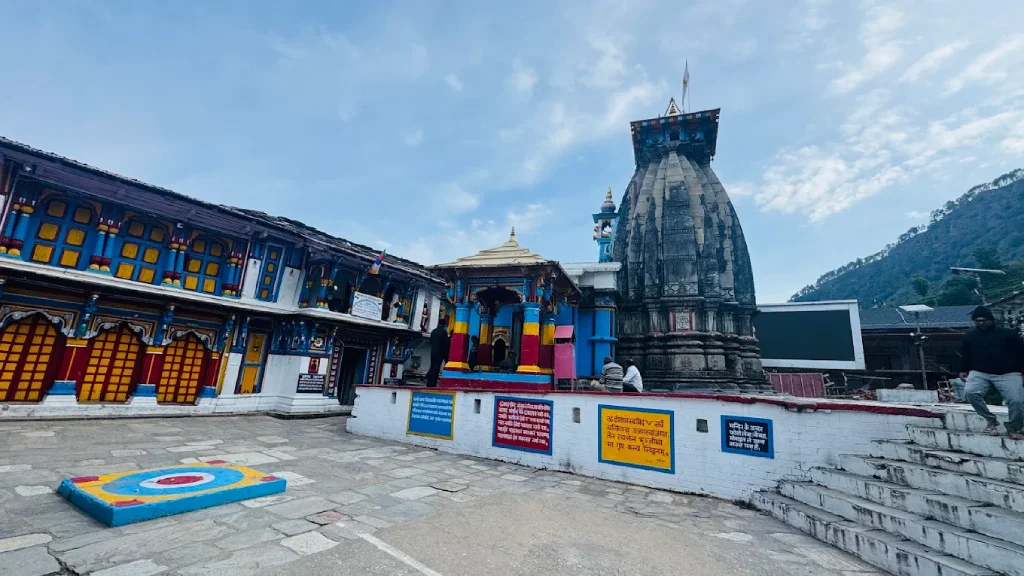
In spring, the doli yatra begins from Ukhimath with the Bhairavnath puja and moves to Kedarnath by way of Phata and Gaurikund.
Temple Architecture and Rituals
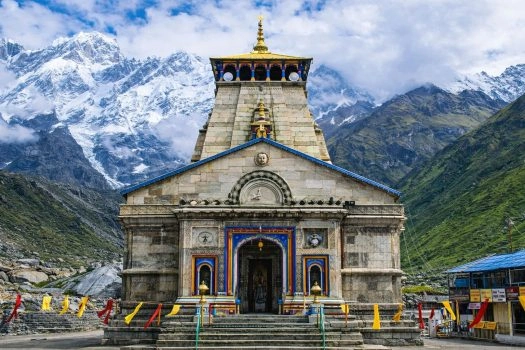
The temple is a massive stone structure made of large, grey stone slabs, standing on a raised platform. It has a mandapa (assembly hall) and a sanctum. Outside, a Nandi bull statue faces the temple. Behind it rise the snow-capped Kedarnath peaks.
Daily worship includes morning abhishek, special pujas, and evening aarti. Bhairavnath is regarded as the guardian of the shrine and watches over it when the temple is closed in winter.
Offerings at Kedarnath
Pilgrims commonly offer the following to Lord Shiva:
- Bel patra (bilva leaves)
- Flowers and garlands
- Water, milk, or ghee for abhishek
- Incense and a diya
Festivals at Kedarnath
The most important occasion for the shrine is Mahashivratri. On this day, the opening date of the temple is announced in a ceremony at Omkareshwar Temple, Ukhimath. The Chal Utsav Doli Yatra in April and the closing ceremony on Bhai Dooj are the other major events. Shravan (July–August) also brings special worship.
Best Time to Visit Kedarnath Dham Temple
- Opening: Late April to May
- Closing: Usually around Bhai Dooj in late October or November
- Best months: May, June, September, and October
May and June have pleasant weather but heavy crowds. The monsoon (July–August) can bring heavy rain and landslides on the trek route and roads, and the yatra is sometimes paused. September and October are quieter with clear views, but nights are very cold. Heavy snow covers the area from November.
Char Dham Registration for Kedarnath
Registration is mandatory for the Char Dham Yatra. Register on the official Uttarakhand registration portal.
- Open the portal and create an account with your mobile number.
- Fill in the details of every pilgrim in your group.
- Upload a photo and a valid ID, such as Aadhaar.
- Choose your Dham and travel dates.
- Download the registration slip and keep it handy.
Offline counters also work in Rishikesh, Haridwar, and Sonprayag during the season. Biometric registration is required for Kedarnath, and no paid ticket is needed for regular darshan.
How to Reach Kedarnath Dham
By Air
The nearest airport is Jolly Grant Airport, Dehradun, about 240 km from Gaurikund. Taxis are available from there. Helicopter services to Kedarnath run from helipads such as Guptkashi, Phata, and Sersi.
By Train
Rishikesh and Haridwar are the closest major railway stations. Rishikesh is roughly 220 km from Gaurikund.
By Road
The motorable road ends at Gaurikund.
The usual route is Haridwar → Rishikesh → Devprayag → Rudraprayag → Guptkashi → Sonprayag → Gaurikund.
You can also open the route on Google Maps to navigate to Gaurikund, the last road point.
Mountain roads are steep. Start early and avoid night driving. During the monsoon, check road updates for landslide-prone stretches.
Gaurikund to Kedarnath Trek (16–18 km)
From Sonprayag, shared taxis take pilgrims to Gaurikund, about 5 km away. The trek to the temple is around 16–18 km and takes about 6–8 hours uphill.
- Main rest points: Jungle Chatti, Bheembali, Lincholi, and Kedarnath Base Camp
- Other options: Pony, palki, or basket services are available for those who cannot walk the full distance
- Helicopter: The flight takes about 8–10 minutes, followed by a short walk to the temple. Book only through the official IRCTC portal with your registration details.
- Ropeway: A Sonprayag–Kedarnath ropeway has been announced by the state government. Check whether it is operational before you plan around it.
Distance to Kedarnath (Approximate)
- Sonprayag to Gaurikund Distance: about 5 km
- Gaurikund to Kedarnath Distance (trek): about 16–18 km
- Guptkashi to Gaurikund Distance: about 30 km
- Rishikesh to Gaurikund Distance: about 220 km
- Haridwar to Gaurikund Distance: about 240 km
- Dehradun (Jolly Grant Airport) to Gaurikund Distance: about 240 km
- Delhi to Gaurikund Distance: about 450–480 km
Distances change slightly with the route and road conditions. For all of them, add the trek from Gaurikund to reach the temple.
Distance Between Char Dham: Yamunotri, Gangotri, Kedarnath and Badrinath
The four shrines of the Chota Char Dham lie in different Himalayan valleys, so travelling between them takes long mountain drives. The usual order is Yamunotri → Gangotri → Kedarnath → Badrinath. The distances below are approximate road distances between the shrines and change slightly with the route taken.
| Route | Approx. Distance | Note |
|---|---|---|
| Yamunotri to Gangotri | About 225 km | Via Janki Chatti, Barkot, Uttarkashi and Harsil |
| Gangotri to Kedarnath | About 335–375 km | About 335 km via Ghansali and Guptkashi; about 375 km via Tehri, Srinagar and Rudraprayag. The road ends at Gaurikund, then a 16–18 km trek. |
| Kedarnath to Badrinath | About 220–240 km by road | From Gaurikund via Rudraprayag and Joshimath. Add the 16–18 km trek down from Kedarnath. The two temples are only about 41 km apart in a straight line. |
Most pilgrims need a full day of driving between each pair, so plan rest days, especially before the Kedarnath trek. Read more about the fourth Dham in our guide to Shri Badrinath Dham Temple.
Where to Stay and Eat in Kedarnath
- GMVN accommodation: Government-run tents and rest houses, simple and popular. Book early.
- Dharamshalas and BKTC facilities: Budget-friendly and close to the temple.
- Private stays: Tents and lodges near the temple. Prices go up in peak season.
- Guptkashi, Sonprayag, and Phata: Good fallback bases with more hotel options. Many pilgrims stay here before and after the trek.
Food at Kedarnath is mostly simple vegetarian meals. Small eateries serve dal, rice, roti, and tea. Prices are higher than in the plains because supplies are carried up. Book rooms at least a few weeks ahead for May, June, and October.
Hotels and Stays in Kedarnath
Stays at Kedarnath are simple, warm, and close to the temple. Rooms and tents fill up fast during the yatra season, so plan early.
Types of Stays in Kedarnath
- GMVN tents and rest houses: A budget-friendly choice near the temple.
- Private tents and lodges: These offer more comfort. Prices go up in May, June, and October.
- Dharamshalas: The cheapest option for pilgrims and large groups.
- Hotels in Guptkashi, Sonprayag, and Phata: A better choice if you want a proper hotel and plan to do the trek in two days.
Tips for Booking Stays in Kedarnath
- Book a few weeks ahead for May, June, and October.
- Choose a stay close to the temple if you travel with seniors or children.
- Confirm hot water, blankets, and heating before you pay.
- Keep a booking confirmation on your phone and a printed copy.
- Carry cash. ATMs and mobile networks can be unreliable beyond Sonprayag. BSNL usually works best on this route.
Dress Code and Temple Rules
- Wear modest, comfortable clothes. Add warm and waterproof layers.
- Remove your shoes before entering.
- Mobile phones are not allowed inside the temple premises in 2026. Leave them at your stay or in the deposit facility.
- Photography is not allowed inside the sanctum.
- Follow the queue and the staff’s instructions.
- Do not litter in the temple area or near the Mandakini River.
- Carry your registration slip and a valid photo ID at all times.
Places to Visit Near Kedarnath
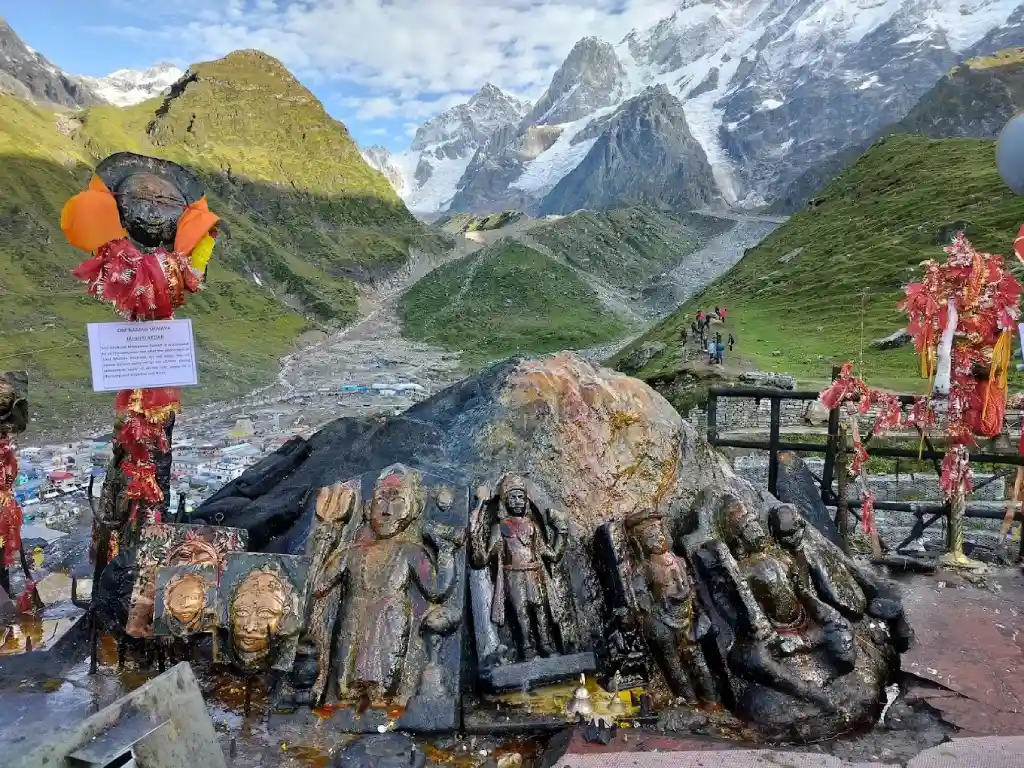
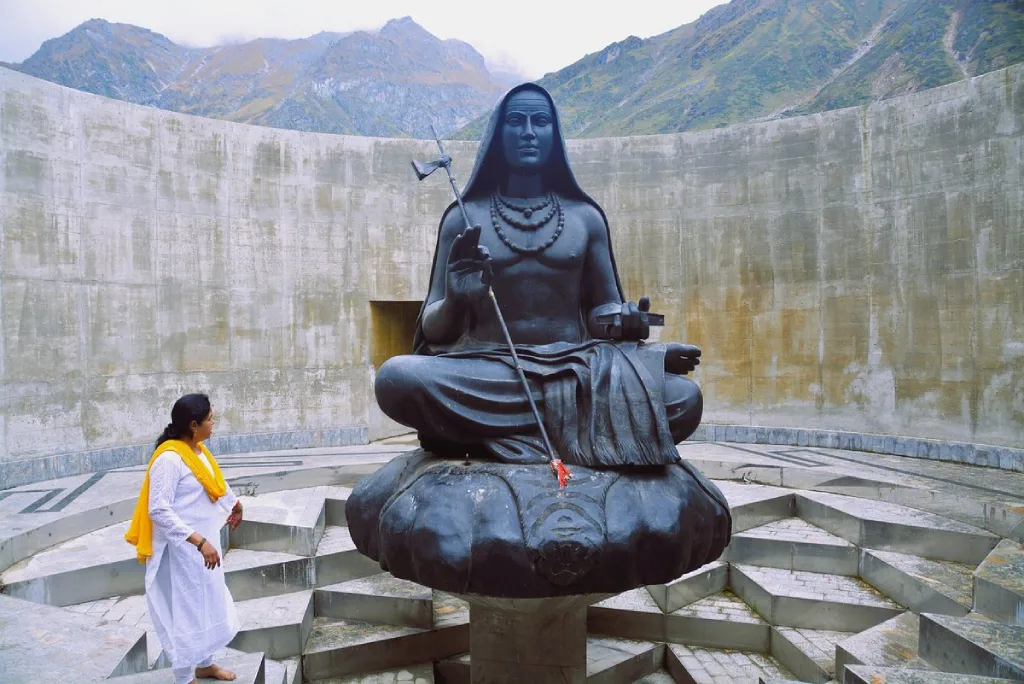
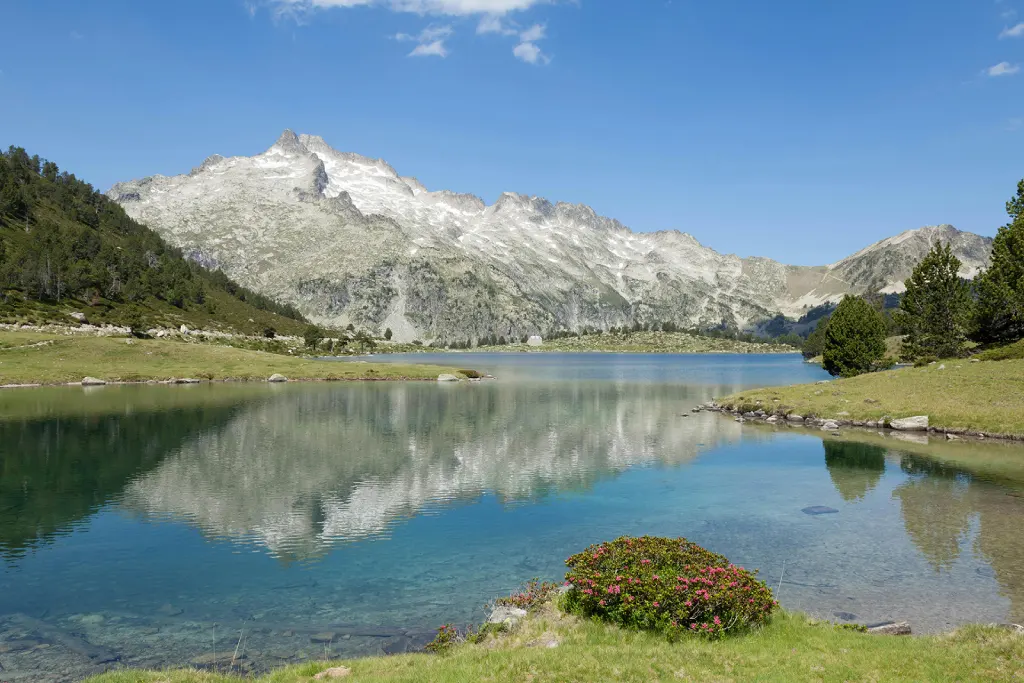
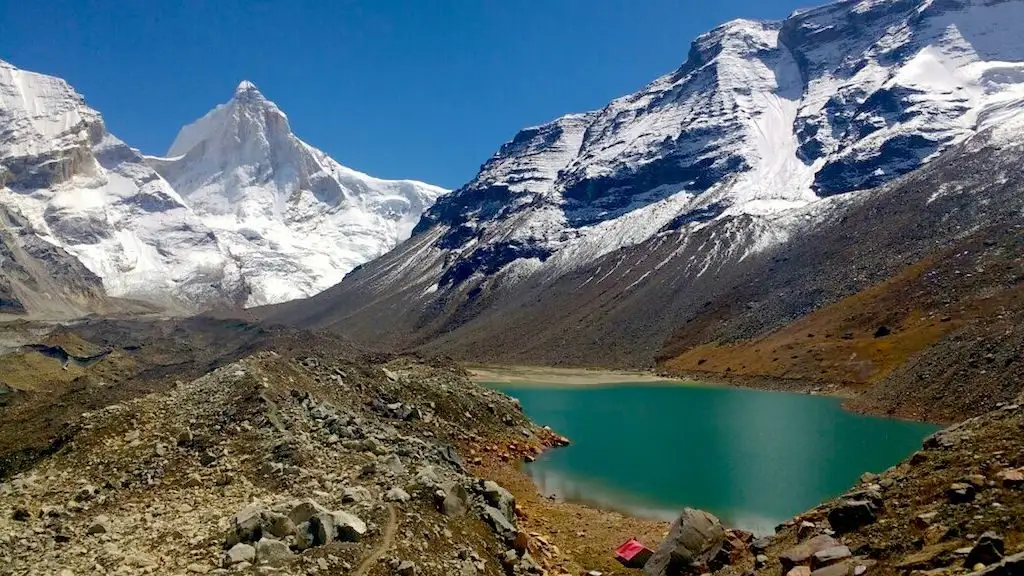
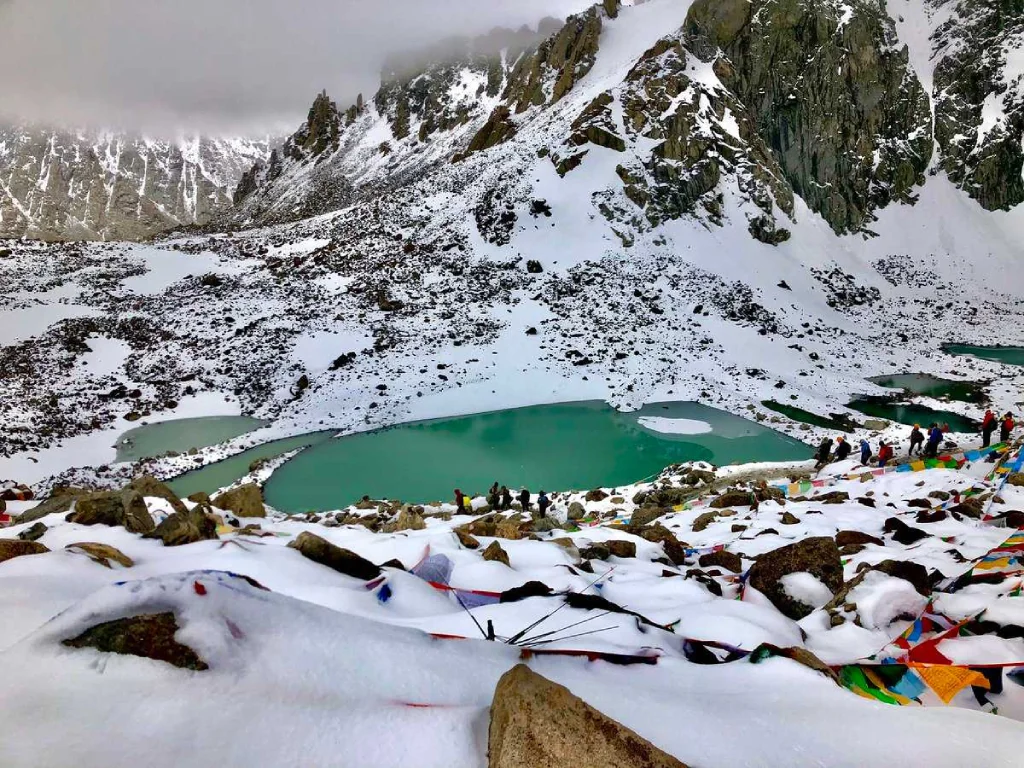
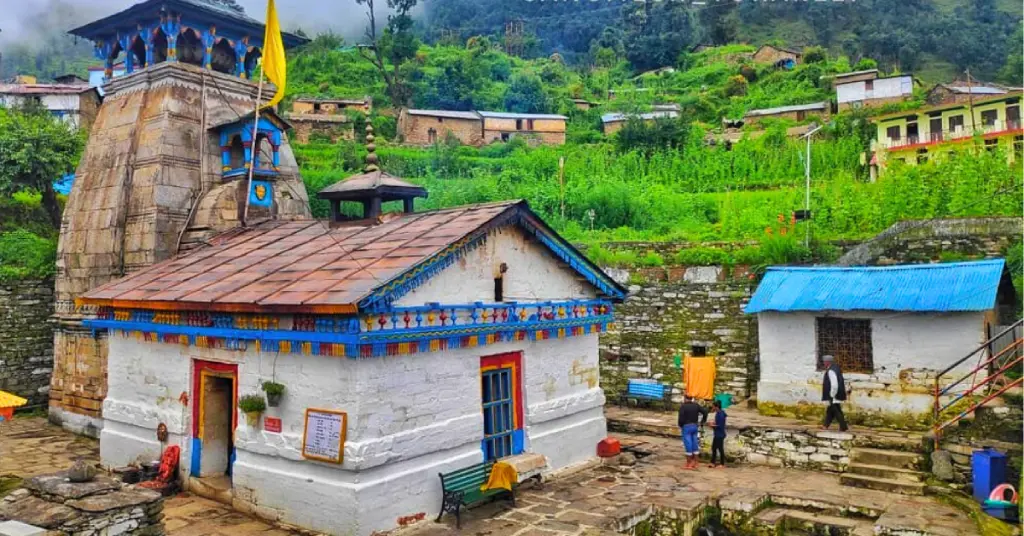
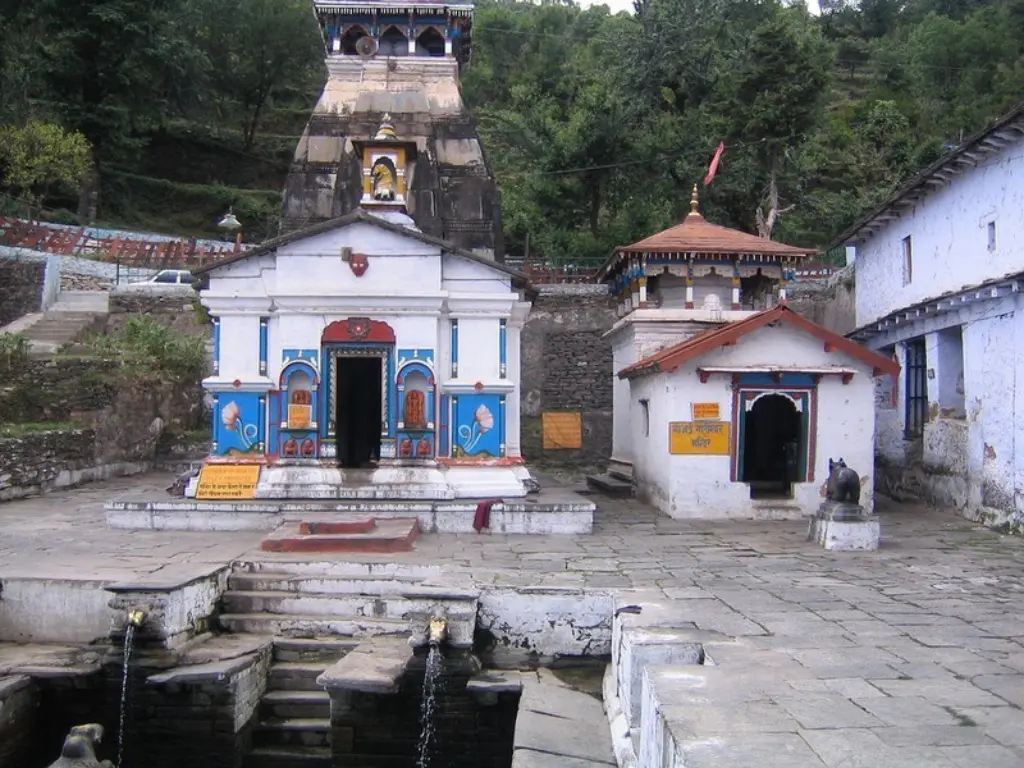
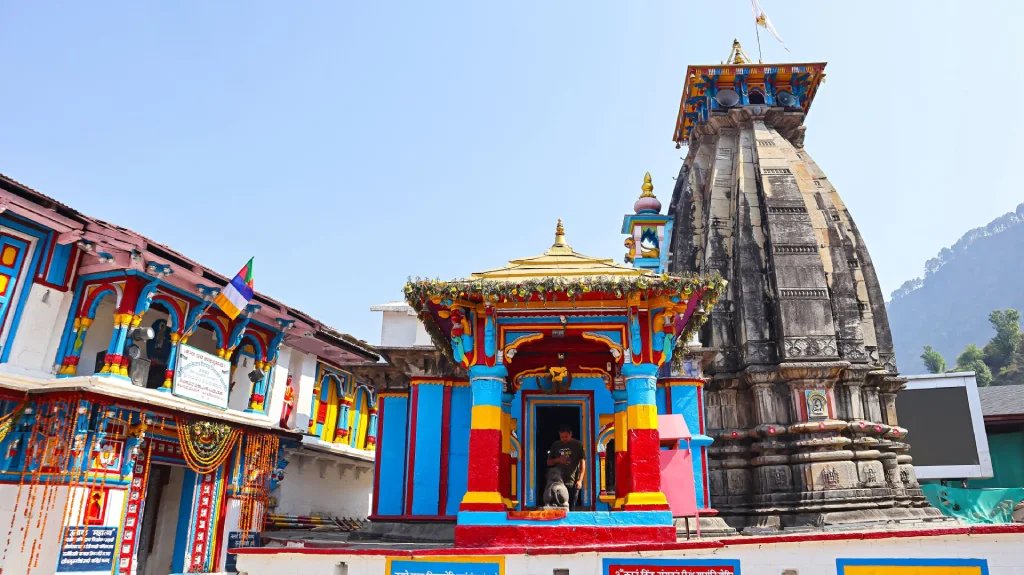
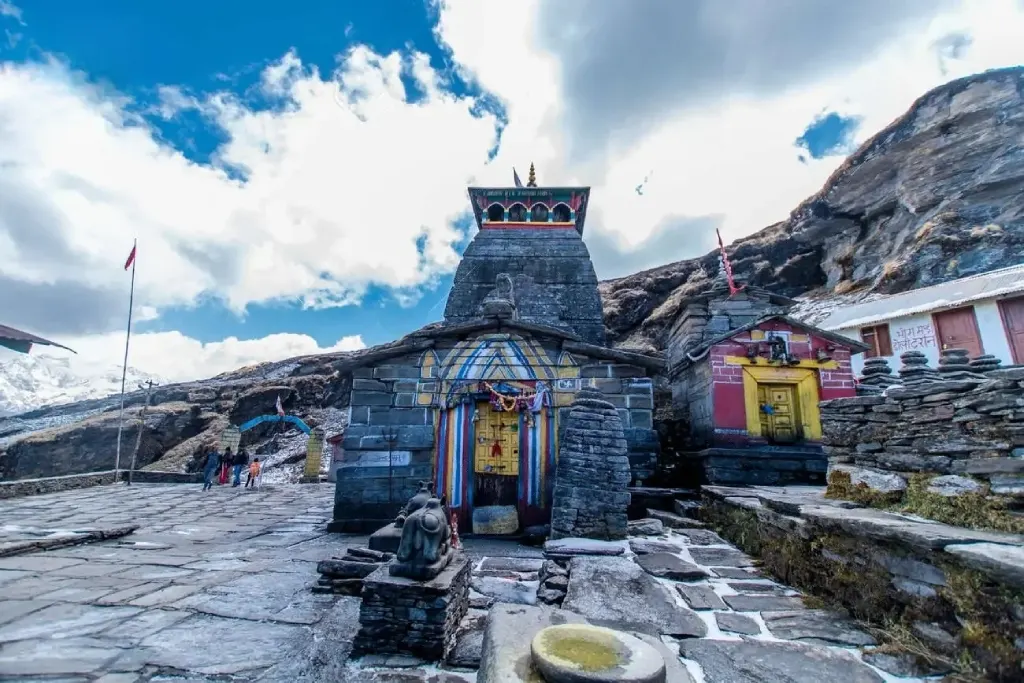
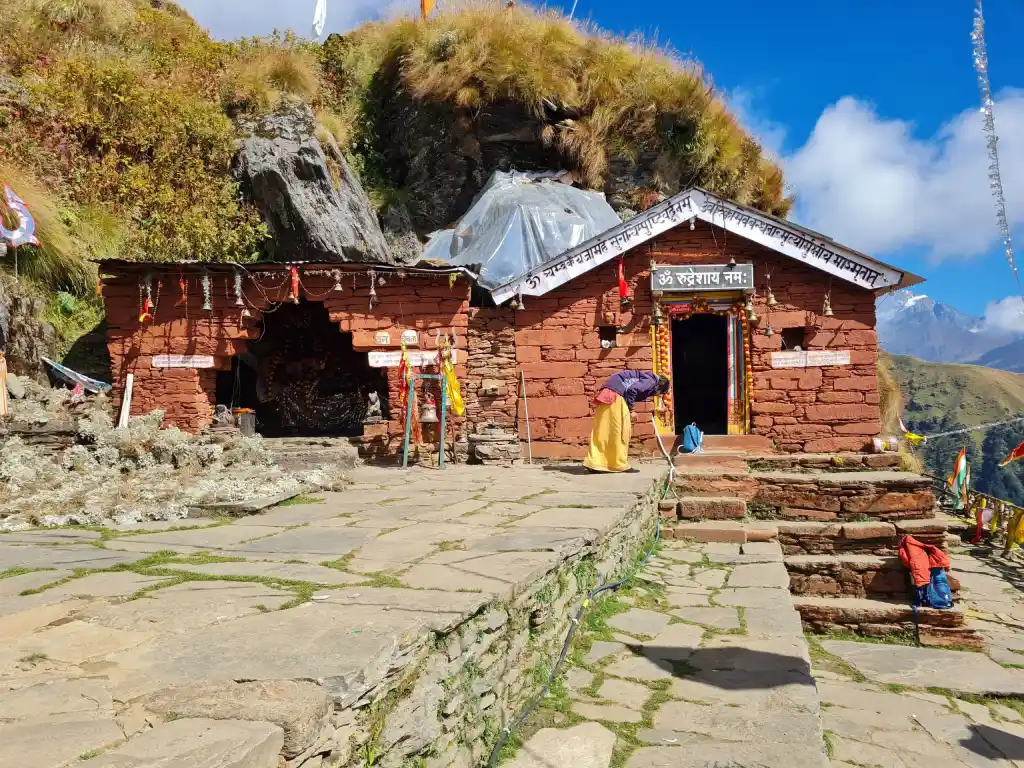
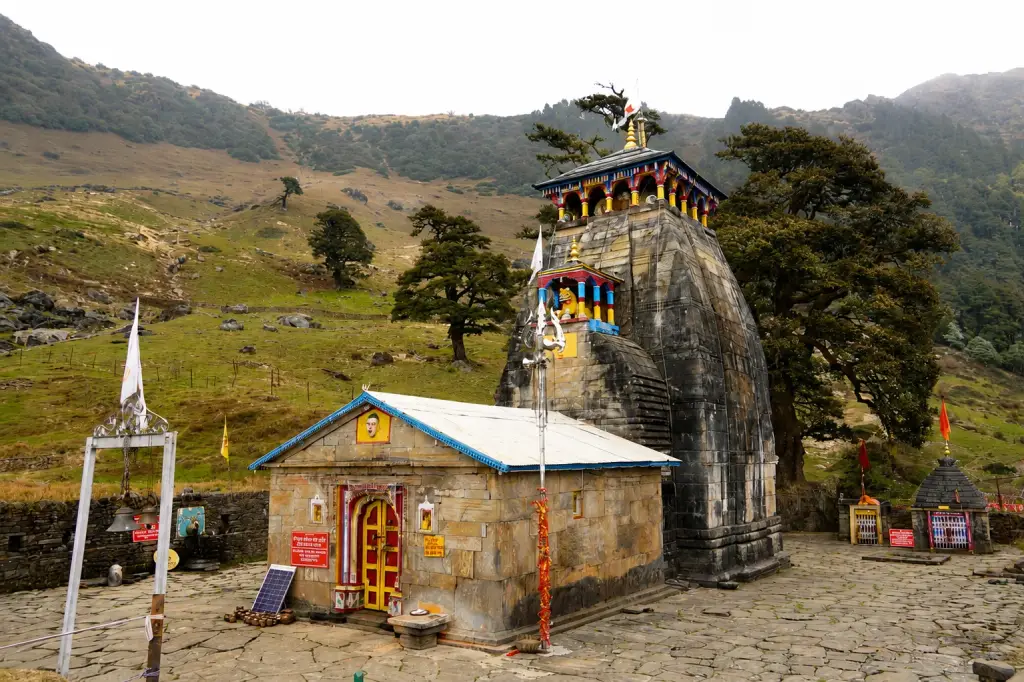
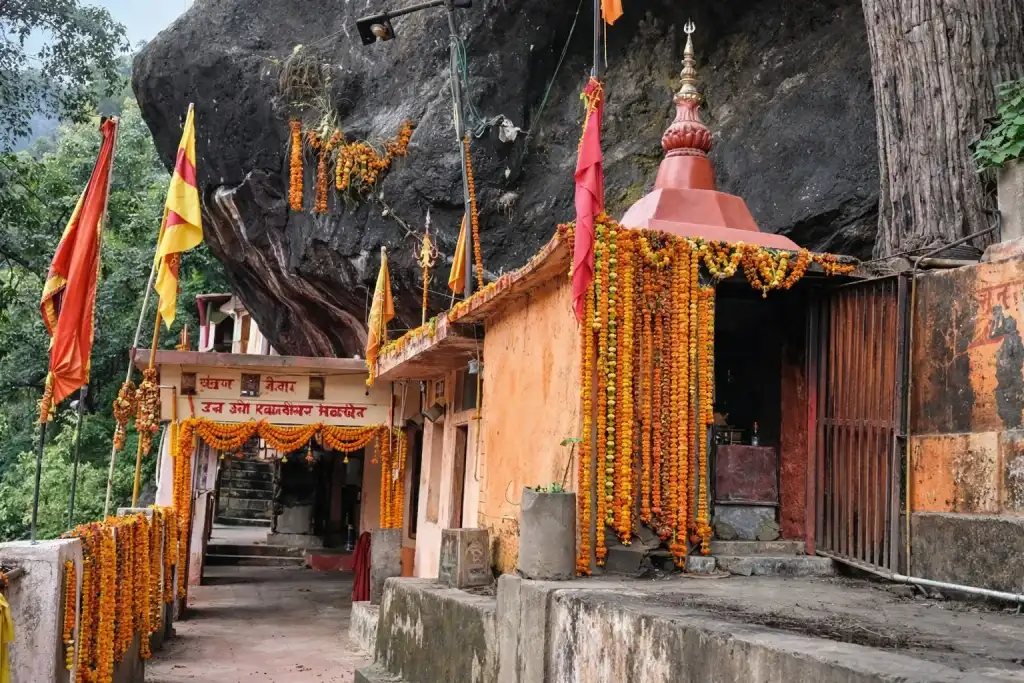
Famous Places to Visit in Kedarnath
Kedarnath Helicopter Booking: How It Works
If you cannot do the 16–18 km trek, a helicopter is the fastest way to reach Kedarnath. The flight takes about 8–10 minutes, followed by a short walk to the temple.
Helipads for Kedarnath
- Guptkashi
- Phata
- Sersi
How to Book a Kedarnath Helicopter
- Complete your Char Dham registration first. You need your registration Group ID.
- Open the official IRCTC helicopter booking portal.
- Choose your helipad, date, and time slot.
- Enter the details of every passenger and pay online.
- Save the ticket and carry it with a valid photo ID.
Helicopter Booking Tips
- Book only through the official IRCTC portal. Avoid agents who promise “confirmed” tickets for extra money.
- Slots fill up fast in May, June, and October, so book as early as the portal allows.
- Flights depend on weather. Rain or fog can delay or cancel a flight, so keep one spare day in your plan.
- Reach the helipad early and carry light luggage.
- Even with a helicopter, you still need warm clothes. The temple is cold, and a short walk remains after landing.
Simple Travel Tips for Pilgrims
- Complete Char Dham registration before you leave.
- Carry warm clothes, even in summer, and a rain jacket or poncho.
- Wear sturdy, comfortable trekking shoes and carry a walking stick.
- Start the trek early in the morning to avoid afternoon rain.
- Drink water often and walk slowly. High altitude causes tiredness.
- Rest a day at Guptkashi or Sonprayag first to adjust.
- Keep your medicines with you.
- Check weather and road updates, since landslides can close the route.
- Book your stay early in peak season.
Seniors and people with heart, breathing, or blood pressure problems should talk to a doctor first. In an emergency, medical camps operate along the trek, and a helicopter ambulance service is available.
Plan Your Shri Kedarnath Dham Temple Yatra the Right Way
Shri Kedarnath Dham Temple offers history, faith, and mountain views in one trip. Know the timings, check the closing date, and plan around the season. Pair it with Shri Badrinath Dham Temple to complete your Himalayan pilgrimage. For official updates, visit the official BKTC website or Uttarakhand Tourism. A little preparation makes your journey smooth and memorable.
4 Responses