Introduction
Haridwar district lies in the south-western plains and Shivalik foothills of Uttarakhand, where the Ganga leaves the mountains and enters the plains. It is home to the pilgrimage city of Haridwar, the canal and university town of Roorkee, the industrial belt around BHEL and SIDCUL, and rural blocks such as Laksar, Narsan and Bhagwanpur.
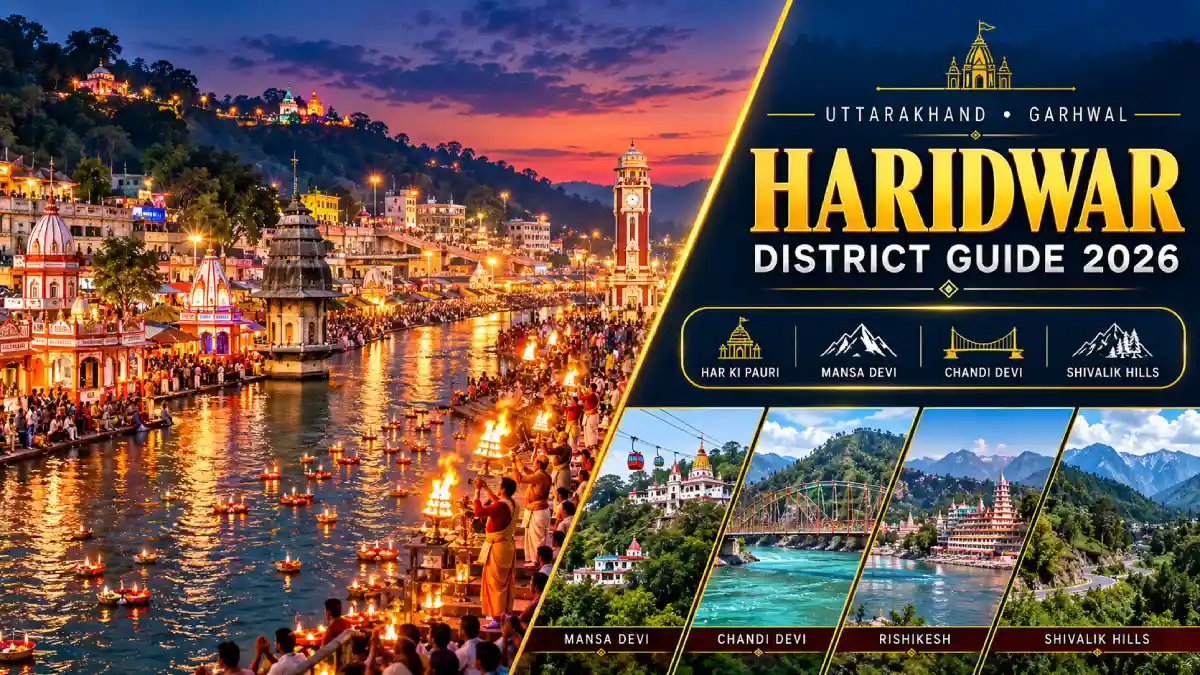
Haridwar is best known for Har Ki Pauri, the evening Ganga Aarti and the Kumbh Mela, but the district is wider than the pilgrimage city. It has the largest population of any district in Uttarakhand and is an important centre for education, industry and sport. In February 2025, Haridwar hosted several disciplines of the 38th National Games.
This guide covers the district’s history, places to visit, the Kumbh, travel, sports, education, culture and public services. Haridwar is one of the 13 districts of Uttarakhand.
District at a Glance
- State: Uttarakhand; division: Garhwal.
- Formed: 28 December 1988, when it was part of Uttar Pradesh. It became part of Uttarakhand in November 2000.
- District headquarters: District Collectorate, Haridwar.
- Area: Approximately 2,360 square kilometres.
- Population: 18,90,422 according to Census 2011, the highest of any district in Uttarakhand. This is a historical census figure, not a current estimate.
- Sex ratio (Census 2011): 880 females per 1,000 males.
- Tehsils: Haridwar, Roorkee, Laksar and Bhagwanpur.
- Six development blocks: Bahadrabad, Bhagwanpur, Khanpur, Laksar, Narsan and Roorkee.
- Main attractions: Har Ki Pauri, Mansa Devi, Chandi Devi, Maya Devi, Daksha Mahadev (Kankhal), Bharat Mata Mandir, Shantikunj, Piran Kaliyar and Roorkee’s canal heritage.
Location and Geography
Haridwar district sits in the south-western corner of Uttarakhand, at the meeting point of the Shivalik hills and the Gangetic plain. The Ganga flows through the district, and Haridwar city is spread along its banks between the Bilwa and Neel hills.
Most of the district is a flat, fertile plain used for farming, with the Shivalik foothills and Rajaji forests along its northern and eastern edges. Several seasonal streams cross the district, including the Ranipur Rao and Pathri Rao, and the Solani River flows near Roorkee.
A major irrigation canal built in the 19th century starts at Haridwar and runs south through Roorkee, shaping the district’s farmland, towns and history. Summers in the plains are hot, so plan outdoor travel for the cooler parts of the day.
History of Haridwar District
Haridwar is one of the oldest pilgrimage centres in India. Its traditional names include Mayapuri, Kapilsthan and Gangadwar (the gateway of the Ganga). Har Ki Pauri is traditionally linked with King Vikramaditya, who is said to have built the ghat in memory of his brother Bhartrihari.
In the 19th century, the British built a large irrigation canal from Haridwar. Digging began in April 1842 under Proby Cautley, and the canal was formally opened on 8 April 1854. A civil engineering school set up at Roorkee to train canal workers was formally constituted as a college on 25 November 1847 and later became Thomason College, which is today an Indian Institute of Technology.
On 22 December 1851, a steam engine called Jenny Lind pulled a freight train between Roorkee and Piran Kaliyar, an early chapter in India’s railway history. The Bengal Sappers have had their headquarters in Roorkee since 1853, and the town’s cantonment remains one of the country’s oldest military establishments.
The area was part of Saharanpur district until Haridwar became a separate district on 28 December 1988. It joined the new state of Uttarakhand in 2000.
Famous Places to Visit in Haridwar District
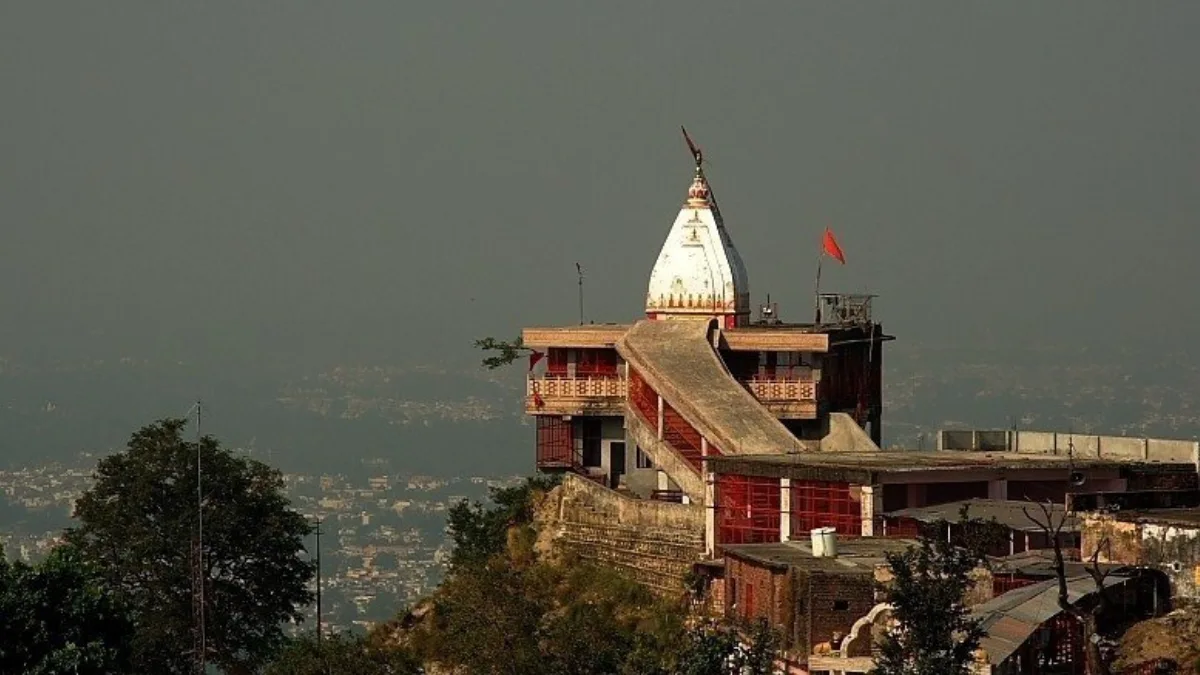
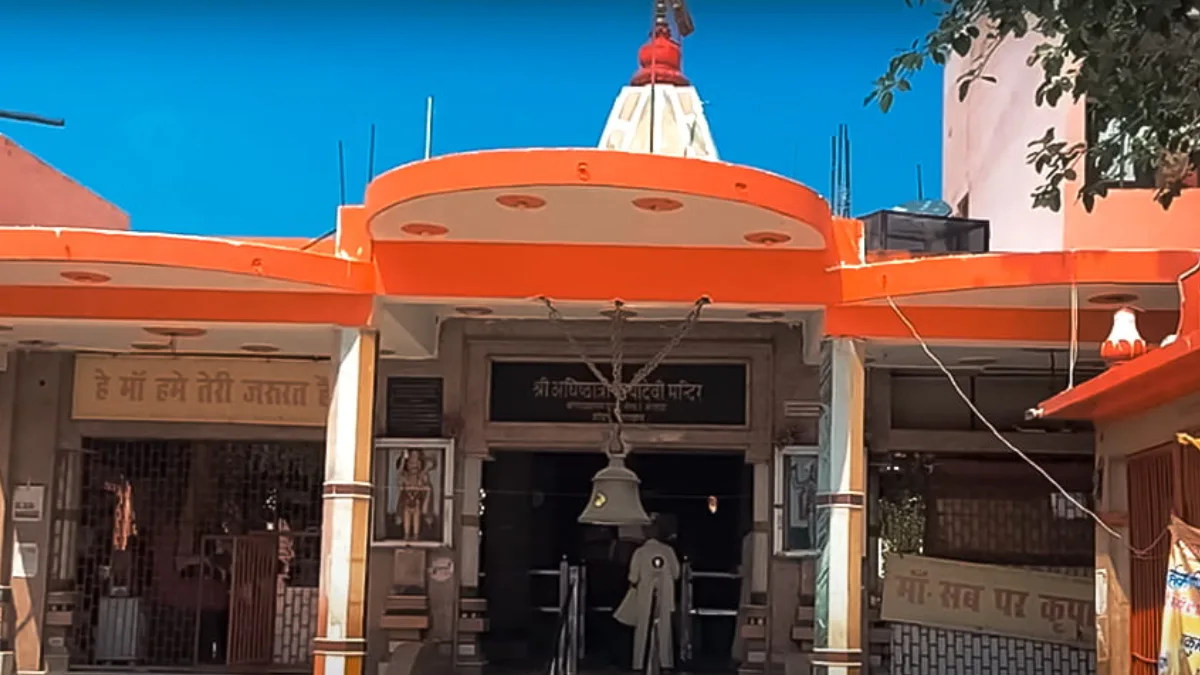
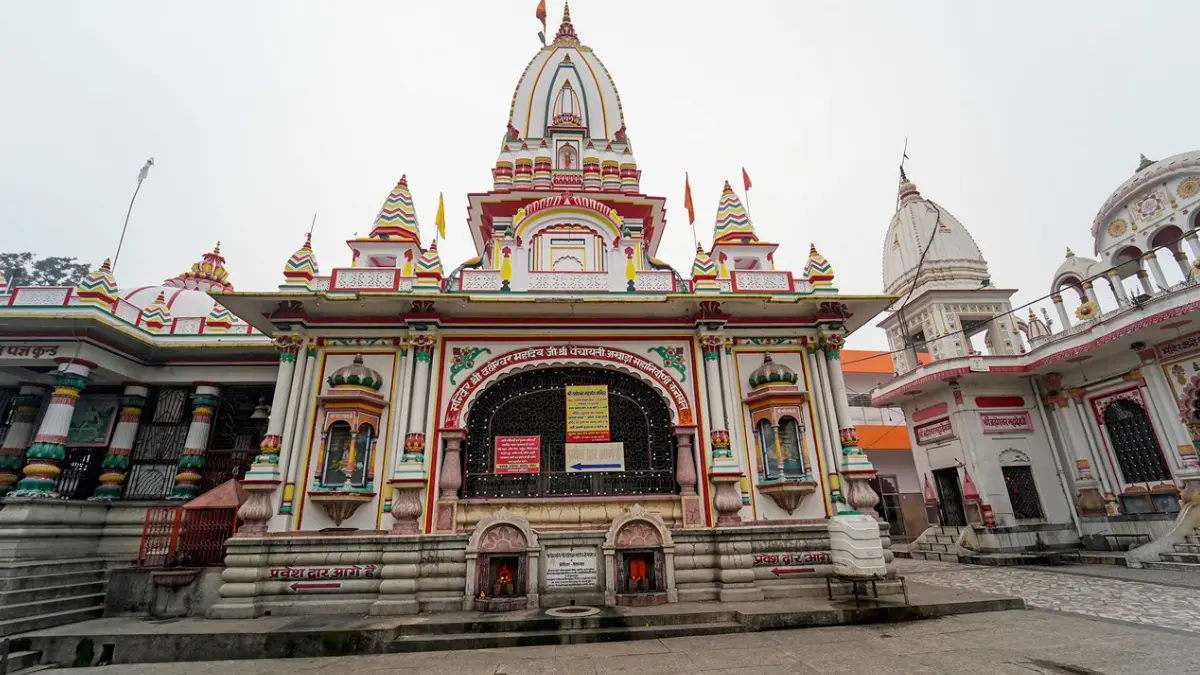
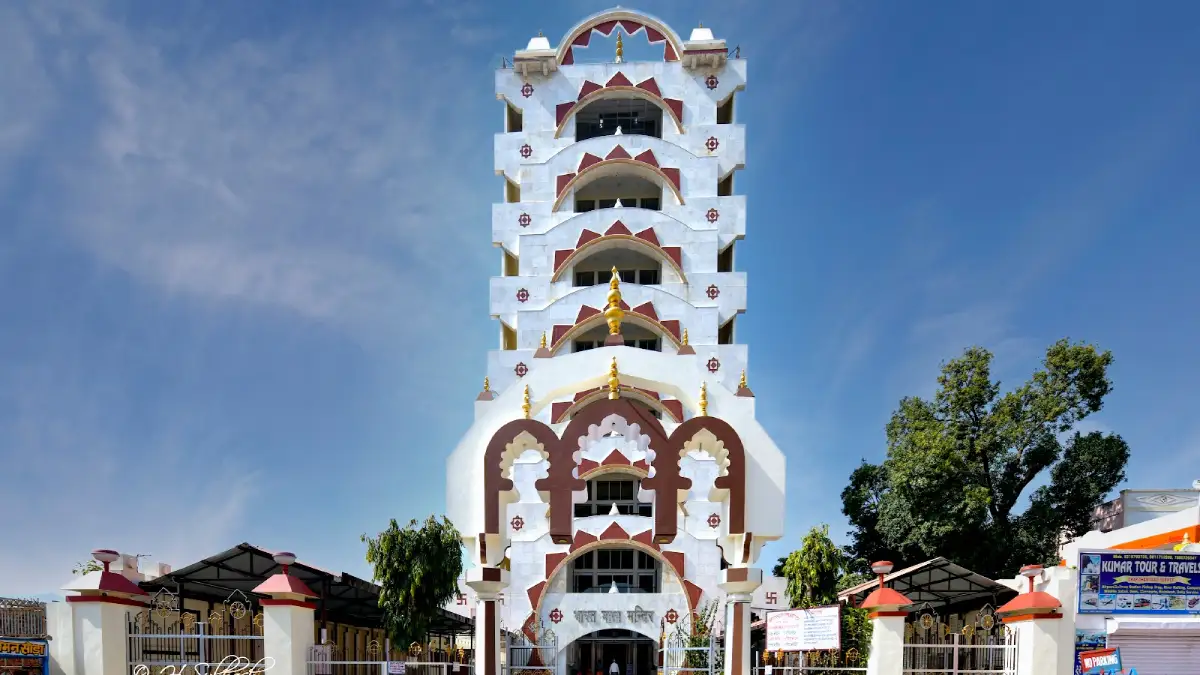
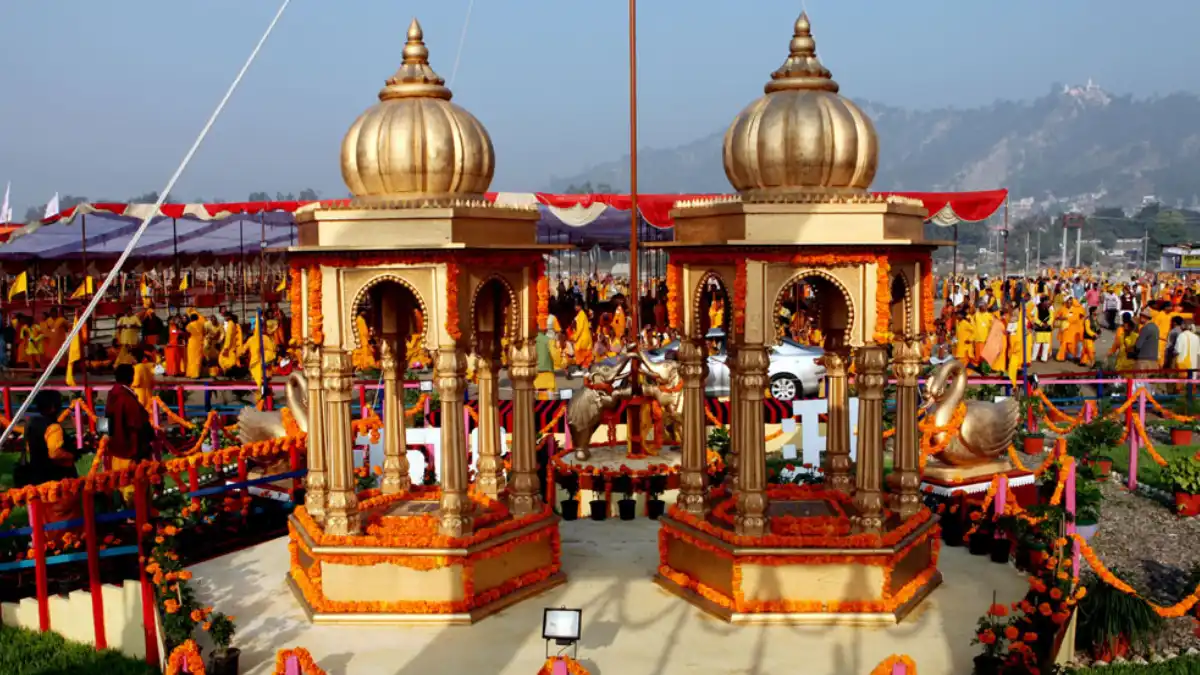
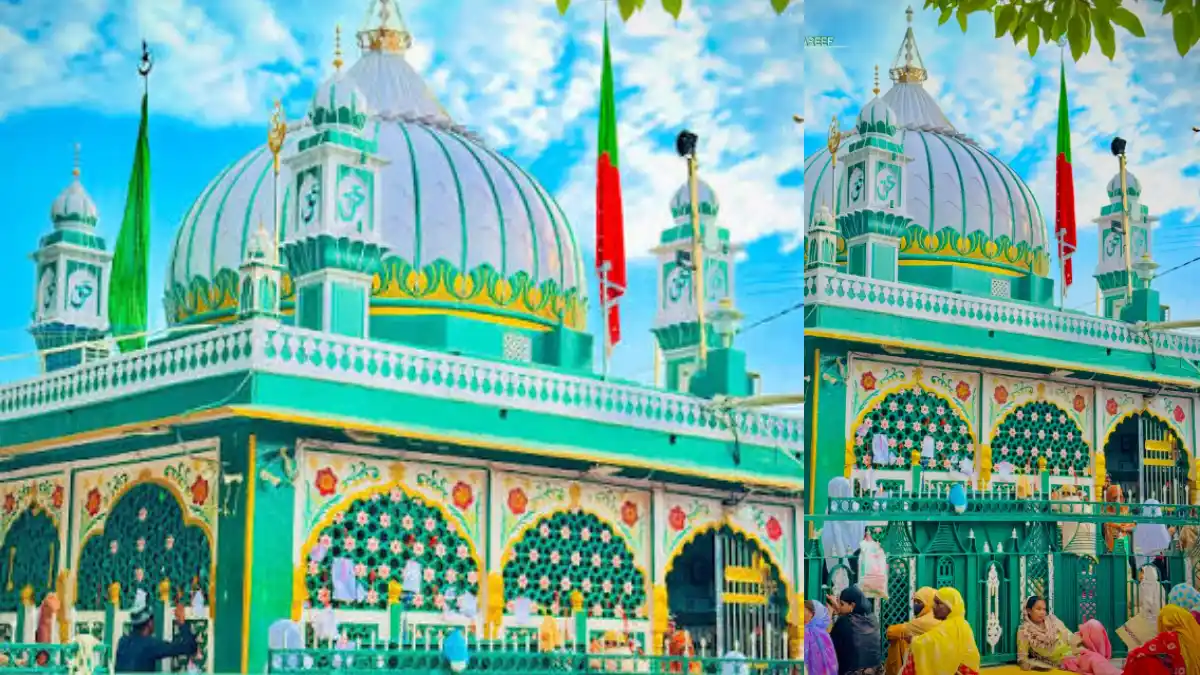
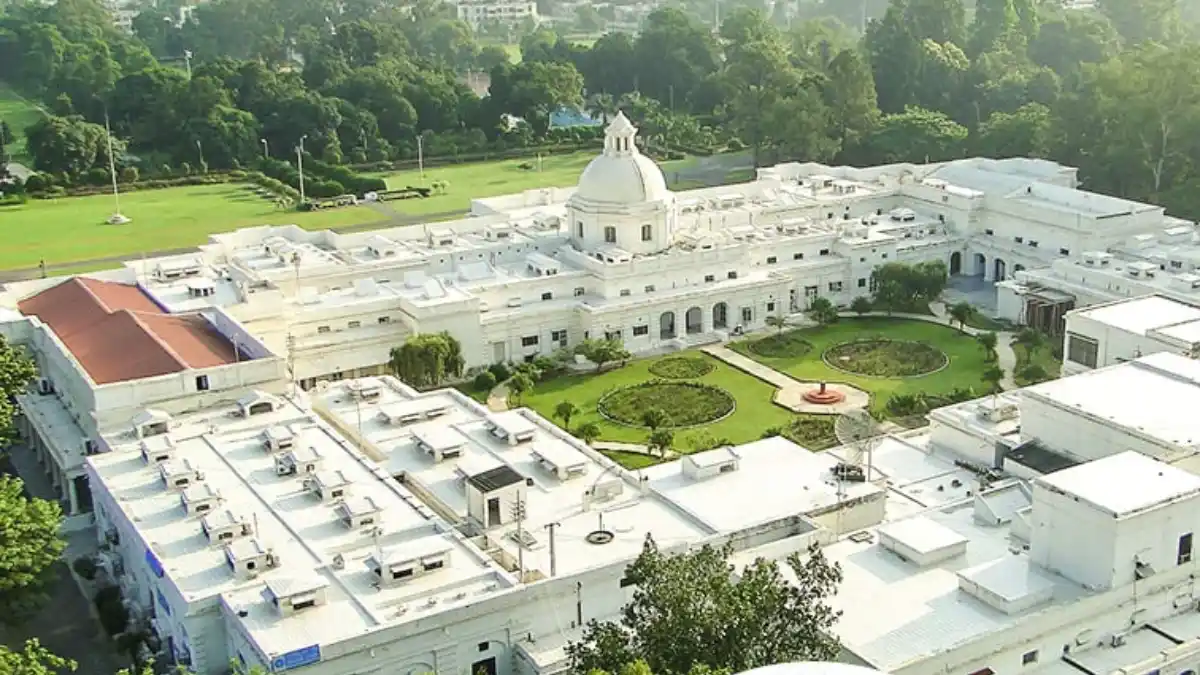
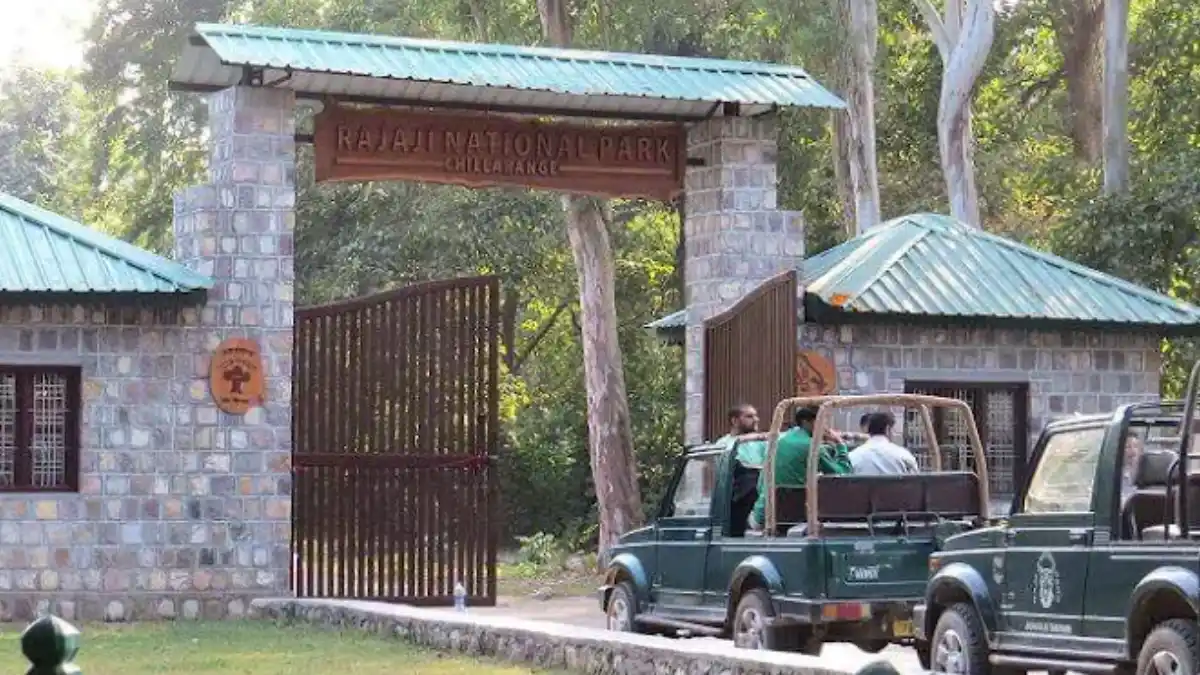
Distances and timings in this guide are approximate. Ropeway timings, entry rules and seasonal access can change, so check current arrangements before you travel.
Religious and Heritage Sites
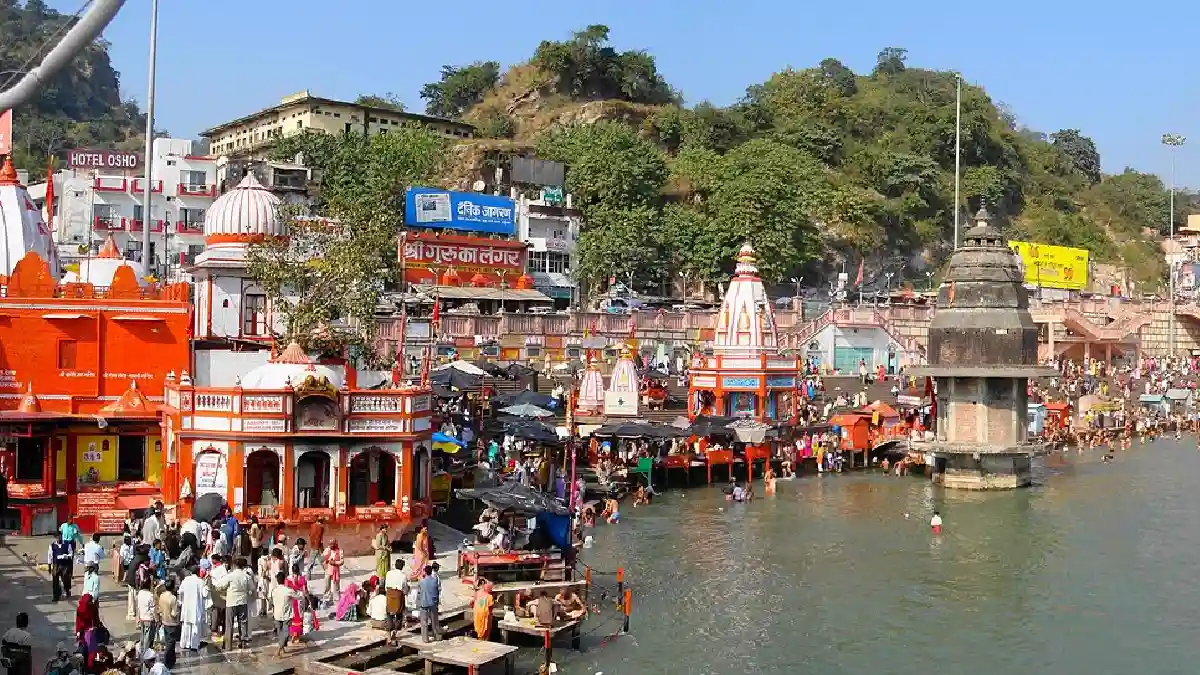
- Har Ki Pauri and Brahmakund: The centre of Haridwar’s pilgrim life and the main bathing ghat during the Kumbh.
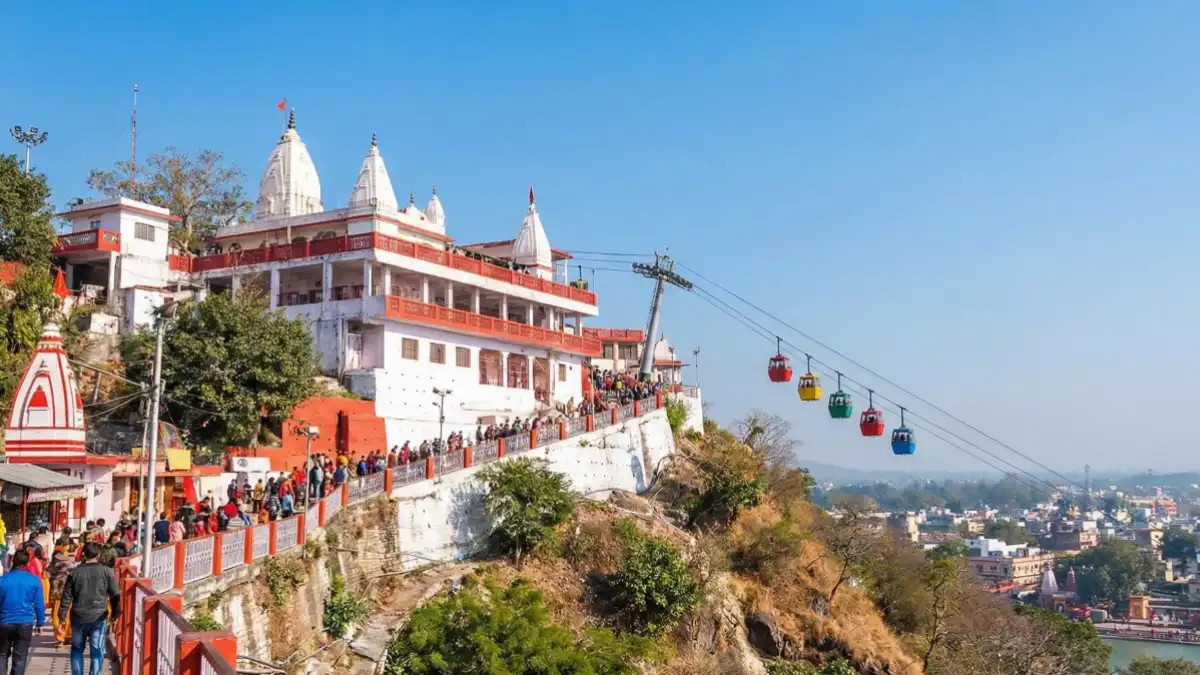
- Mansa Devi and Chandi Devi: Hilltop temples on either side of the Ganga, both reachable by ropeway.
- Maya Devi Temple: An ancient temple of the city’s presiding goddess.
- Daksha Mahadev Temple, Kankhal: A Shiva temple tied to the legend of Daksha and Sati.
- Bharat Mata Mandir: An eight-storey temple near the Sapt Rishi area, inaugurated in 1983.
- Shantikunj: The headquarters of the All World Gayatri Pariwar.
- Piran Kaliyar Sharif: A major Sufi shrine near Roorkee, with an annual Urs.
Most of these are active places of worship. Dress modestly, follow temple and ghat rules, keep to marked bathing areas, and take extra care near the fast-flowing Ganga.
Roorkee: Canal, College and Cantonment Town
Roorkee is the district’s second major town, about 30 km southwest of Haridwar city. Its growth came from the 19th-century canal: the engineering college set up to train canal workers became an Indian Institute of Technology in 2001.
The Solani aqueduct carries the canal over the Solani River near the town. Roorkee is also home to the Bengal Engineering Group and Centre, the Central Building Research Institute and the National Institute of Hydrology. Piran Kaliyar Sharif lies about 7 km away.
How to Reach Haridwar
By air: The nearest airport is Jolly Grant Airport (Dehradun), roughly 35-40 km from Haridwar city. Taxis and buses are available for the onward journey.
By rail: Haridwar Junction is the main railway station, with direct trains to Delhi and many other cities. Roorkee railway station serves the southern part of the district. Check current schedules before booking, especially around the Kumbh and Kanwar seasons.
By road: Haridwar is roughly 220 km from Delhi by road. Approximate distances: Rishikesh 25 km, Roorkee 30 km, and Dehradun 55 km. Buses from Uttarakhand Transport and private operators connect Haridwar with Delhi, Dehradun, Rishikesh, and the Char Dham routes.
These are approximate route distances, not guaranteed travel times. Traffic can be heavy on festival and weekend days.
Weather and Best Time to Visit
Haridwar district lies mostly in the plains, so its weather is warmer than that of the hill districts.
- Winter (November to February): Pleasant days and cool nights, with fog on some mornings that can delay trains and road travel.
- Summer (March to June): Hot, especially in May and June. Plan ghat and temple visits for early morning or evening.
- Monsoon (July to September): Most of the year’s rain falls in these months. The Ganga runs high and fast, and ghat access can be restricted.
- Autumn (October to early November): Often the most comfortable time for sightseeing.
Generally, October to March suits sightseeing best. If you want to see the Kumbh or Kanwar Yatra, expect very large crowds and book stays early.
Haridwar Map and Location
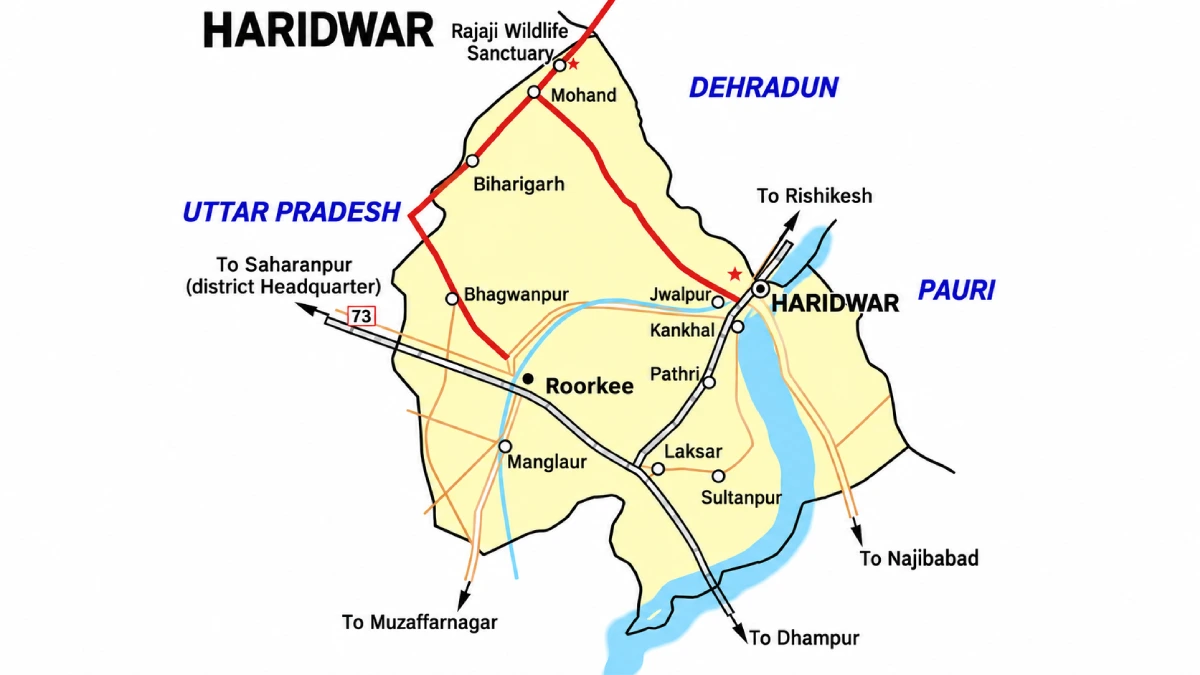
On the Haridwar map, the district sits in the south-western corner of Uttarakhand, along the Ganga. It is bordered by:
- North and east: Dehradun district.
- East: Pauri Garhwal district.
- South: Muzaffarnagar and Bijnor districts of Uttar Pradesh.
- West: Saharanpur district of Uttar Pradesh.
Rishikesh lies just to the north in Dehradun district. Use an official map or navigation app for road distances and current route conditions.
Accommodation and Where to Stay
Choose your base according to the purpose of your trip:
- Near Har Ki Pauri: Convenient for the Ganga Aarti and the main ghats, but crowded and with limited vehicle access.
- Kankhal, Bhupatwala and the Rishikesh road: Quieter areas with ashrams, dharamshalas and hotels.
- Ranipur and the BHEL area: Useful for business visits and the industrial side of the city.
- Roorkee: Suited to visits to the engineering institute, Piran Kaliyar, and the southern part of the district.
Options include hotels, ashrams, dharamshalas, and guesthouses. Confirm prices, check-in rules, parking, and cancellation terms directly, especially for Kumbh and Kanwar dates, when rates and availability change sharply.
Suggested Itineraries
These are planning examples, not fixed packages.
- One day in Haridwar: Morning at Mansa Devi and Chandi Devi by ropeway, afternoon at Maya Devi and Daksha Mahadev in Kankhal, and the evening Ganga Aarti at Har Ki Pauri.
- Two days in Haridwar: Add Bharat Mata Mandir, Shantikunj, and the ashrams on the Rishikesh road on the second day.
- Haridwar and Roorkee: Spend a day in Roorkee for the canal heritage, the Solani aqueduct area, and Piran Kaliyar Sharif.
- Haridwar and Rishikesh: Combine the two cities in two to three days; Rishikesh is about 25 km away.
- Nature visit: Add a Rajaji National Park safari when the zones are open.
Adjust the plan to your season, transport, and crowd conditions, especially on festival days.
Sports in Haridwar
Haridwar became one of Uttarakhand’s key sports venues during the 38th National Games, held across the state in January–February 2025. According to the official venue list, the sports complex in Haridwar hosted:
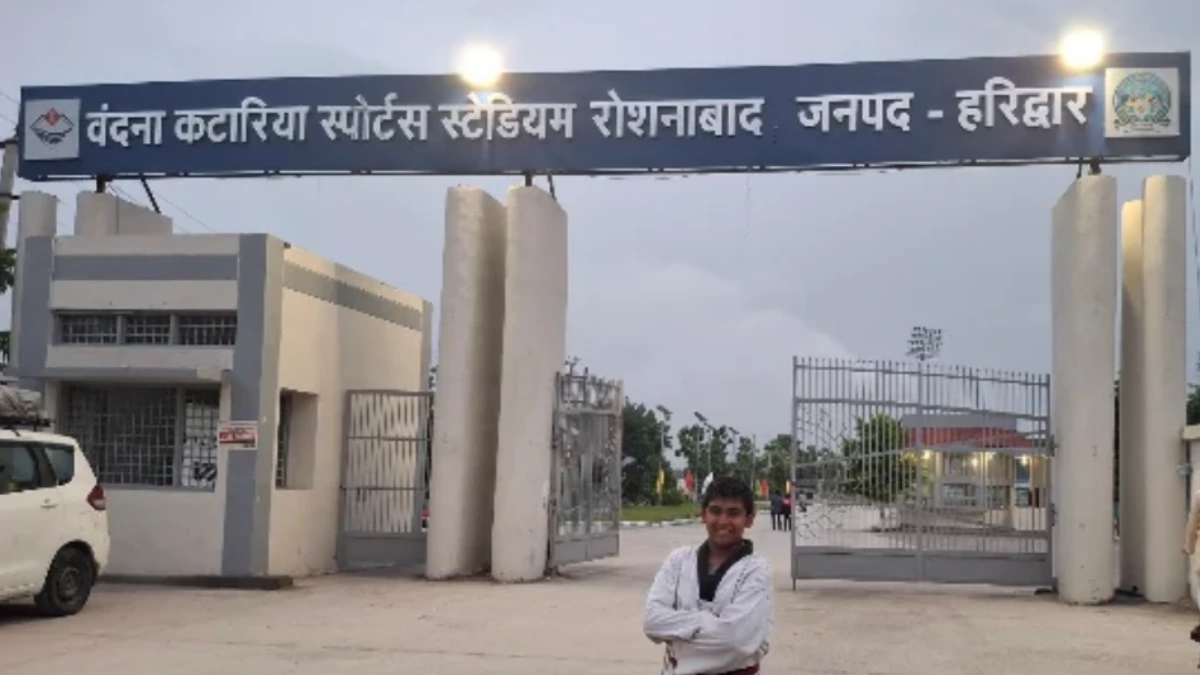
- Hockey: At the hockey stadium named after Olympian Vandana Katariya.
- Kabaddi and wrestling: At the Yogasthali Khel Parisar.
- Kalaripayattu: At the multipurpose hall, Police Line, Haridwar.
Cricket is followed closely across the district, with Roorkee being Rishabh Pant’s hometown. Read more about the state side on our Uttarakhand cricket team page and about other popular games in our guide to popular sports in Uttarakhand.
Students and parents should ask their school, college, or the District Sports Office about coaching and the pathway to recognised competitions. Coaching availability differs by sport and location, so confirm the current programme before enrolling.
Sports Facilities, Training and Athlete Opportunities
The Haridwar sports complex is the district’s main sports hub. Its venues were developed for the 38th National Games and include a hockey stadium and indoor halls used for kabaddi and wrestling.
Programmes such as sports hostels, scholarships and selection trials are run by the Uttarakhand Sports Department. Check current official notices for the list of disciplines, age limits, trial dates and documents required.
Young athletes can begin with school or college sports, district-level competitions and recognised sports associations. Keep age, residence and achievement records ready, as eligibility differs between programmes.
Notable Sportspersons from Haridwar
Vandana Katariya was born in Haridwar on 15 April 1992. At the Tokyo 2020 Olympics, she became the first Indian woman to score a hat-trick in Olympic hockey. She played 320 international matches for India and scored 158 goals, holding the record for most appearances in Indian women’s hockey. She received the Padma Shri in 2022 and announced her retirement from international hockey on 1 April 2025.
Rishabh Pant was born in Haridwar on 4 October 1997 and comes from Roorkee. The wicketkeeper-batter made his Test debut for India against England on 18 August 2018 and has become one of India’s leading players across formats.
Their careers show how players from the district can reach the highest level. Young players can start with school and club programmes and learn about the state’s selection pathways.
Education, Training and Research Institutions
Haridwar district is an important education and research centre. Institutions based in the district include:
- Indian Institute of Technology, Roorkee: Founded as a college in 1847 and an IIT since 2001.
- Gurukul Kangri (Deemed to be University): Founded in 1902 by Swami Shraddhanand.
- Dev Sanskriti Vishwavidyalaya: A university run by the Gayatri Pariwar at Shantikunj.
- Uttarakhand Sanskrit University: A state university for Sanskrit studies, based in Haridwar.
- Patanjali University and Patanjali Yogpeeth: Yoga and Ayurveda institutions on the Haridwar–Delhi highway.
- Research bodies in Roorkee: The Central Building Research Institute (CBRI) and the National Institute of Hydrology.
Students should check current courses, admissions, fees, and eligibility directly with each institution.
Administrative Structure
The District Magistrate heads the district administration from the District Collectorate. Revenue administration runs through the four tehsils (Haridwar, Roorkee, Laksar and Bhagwanpur), while the six development blocks (Bahadrabad, Bhagwanpur, Khanpur, Laksar, Narsan and Roorkee) handle local planning and programmes.
Haridwar and Roorkee have their own municipal corporations, and the district has other urban local bodies such as Laksar and Manglaur. The district has 11 assembly constituencies and falls under the Haridwar Lok Sabha constituency. For certificates and services, start with the relevant village, block, tehsil, or municipal office.
Important Towns and Settlements
- Haridwar: The pilgrimage city on the Ganga, including Jwalapur, Kankhal and the BHEL township at Ranipur.
- Roorkee: A canal, university and cantonment town in the south-west of the district.
- Laksar: A tehsil town and railway junction in the south-east.
- Bhagwanpur: A tehsil town and industrial area on the western side.
- Manglaur, Landhaura and Jhabrera: Towns in the farming belt south of Roorkee.
- Bahadrabad: A block headquarters on the Haridwar–Roorkee road.
Nature and Biodiversity
The Ganga, its islands and the Shivalik forests give the district a varied natural landscape, even though most of it is farmland. Part of Rajaji National Park lies in Haridwar district. The park was formed in 1983, covers about 820 square kilometres across Haridwar, Dehradun and Pauri Garhwal, became a tiger reserve in 2015 and is known for its elephants.
Safari zones are generally seasonal and may close during the monsoon, so confirm arrangements on the Tiger Reserve website. The river and wetland areas near Haridwar also attract winter birds. Follow forest rules, and remember that wildlife sightings are never guaranteed.
Culture, Traditions, Festivals and Fairs
Haridwar’s culture is shaped by the Ganga, its ashrams, and its mix of communities from the hills and the plains. Hindi is the main language, and Garhwali and other regional languages are also spoken.
- Kumbh and Ardh Kumbh: The largest gatherings in the district.
- Kanwar Yatra: Held in the month of Shravan.
- Ganga Dussehra, Kartik Purnima and Makar Sankranti: Important bathing days at Har Ki Pauri.
- Urs at Piran Kaliyar: An annual gathering at the Sufi shrine near Roorkee.
Dates change every year according to the Hindu and Islamic calendars, so check the current year’s schedule before planning a visit.
Local Food
Haridwar city is known for vegetarian food, and meat, fish, and eggs are not sold within the city. Near Har Ki Pauri and the main bazaars, popular choices include kachori with aloo sabzi, puri, chaat, lassi and traditional sweets.
Ashrams and dharamshalas often serve simple sattvic meals. In Roorkee and the rest of the district, food reflects the wider North Indian plains. Choose busy, clean outlets and drink safe water, especially in summer.
Livelihoods and the Local Economy
Haridwar has one of Uttarakhand’s strongest economies. The BHEL Haridwar plant and township, set up in 1964, is a major employer. The SIDCUL industrial estate, established in 2002, hosts hundreds of companies in sectors such as FMCG, pharmaceuticals, and engineering.
Pilgrimage tourism creates work in hotels, transport, priest services, food and shops, and peaks during the Kumbh and Kanwar seasons. Agriculture remains important across the plains, with sugarcane, wheat, and paddy among the main crops.
Healthcare, District Administration and Emergency Contacts
Emergency assistance: 112 | Ambulance: 108 | Disaster helpline: 1077.
Haridwar and Roorkee have government hospitals as well as many private hospitals and clinics. During the Kumbh and Kanwar Yatra, the administration sets up additional medical camps and control rooms. For district office and department numbers, use the directory on the District Administration website.
Always use 112 for immediate emergencies, and take extra care near the river, as Ganga currents can be strong even close to the ghats.
Frequently Asked Questions
When was Haridwar district formed?
Haridwar district was formed on 28 December 1988, when it was part of Uttar Pradesh. It became part of Uttarakhand when the state was formed in November 2000.
Where is the district headquarters of Haridwar?
The District Collectorate is in Haridwar.
Is Haridwar the most populous district of Uttarakhand?
Yes. According to the 2011 census, Haridwar had 18,90,422 people, the highest of any district in Uttarakhand. This should not be presented as a current estimate.
What are the tehsils and blocks of Haridwar district?
The tehsils are Haridwar, Roorkee, Laksar, and Bhagwanpur. The six blocks are Bahadrabad, Bhagwanpur, Khanpur, Laksar, Narsan and Roorkee.
Is Roorkee in Haridwar district?
Yes. Roorkee is a tehsil and block of Haridwar district and is home to an Indian Institute of Technology.
Is Rishikesh in Haridwar district?
No. Rishikesh is in Dehradun district, about 25 km from Haridwar.
When is the Haridwar Ardh Kumbh 2027?
It runs from January to April 2027, with 10 major bathing dates. The Amrit Snan dates are March 6, March 8, and April 14, 2027. Check official Mela updates for any changes.
What is Haridwar district famous for?
It is known for Har Ki Pauri, the Ganga Aarti, the Kumbh Mela, temples such as Mansa Devi and Chandi Devi, Roorkee’s engineering institute, BHEL, and the Piran Kaliyar shrine.
Which National Games events were held in Haridwar?
At the 38th National Games in 2025, Haridwar hosted hockey, kabaddi, wrestling, and kalaripayattu.
How far is Haridwar from Delhi?
Roughly 220 km by road. Travel time depends on the route and traffic, which can be heavy on weekends and festival days.
Which is the nearest airport to Haridwar?
Jolly Grant Airport near Dehradun, roughly 35-40 km away.
Kumbh Mela, Ardh Kumbh 2027 and Kanwar Yatra
Haridwar hosts the Kumbh Mela every 12 years, with an Ardh Kumbh in between. The Ardh Kumbh 2027 runs from January to April 2027, with Amrit Snan dates on 6 March, 8 March, and 14 April. During the Kanwar Yatra in Shravan (usually July-August), lakhs of devotees collect Ganga water here, so expect heavy crowds and road diversions.
Useful Official Links
District Administration Haridwar | Uttarakhand Tourism | Rajaji Tiger Reserve | 38th National Games Uttarakhand | Uttarakhand Sports Department guide | Capital of Uttarakhand
Population and administrative units: Census 2011 and district records. History: published histories of Haridwar and Roorkee. Sports venues: 38th National Games venue list. Ardh Kumbh 2027 dates: Haridwar Mela administration, as reported in April 2026. Information reviewed: 6 October 2026.