
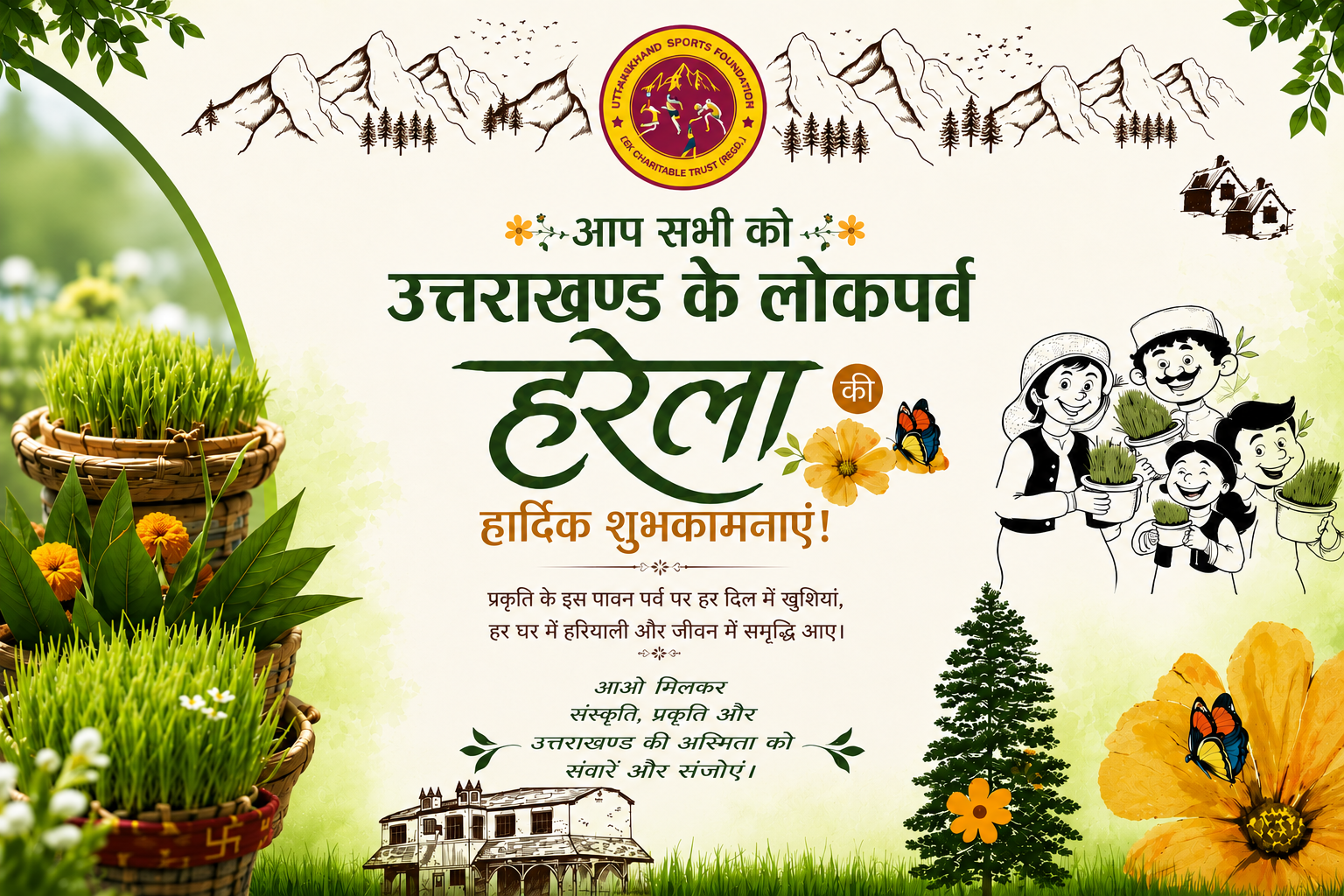
Harela Festival Uttarakhand: Why It Is Celebrated, When It Falls and How People Celebrate It
In Uttarakhand, festivals are closely connected with the seasons, farming and everyday life in the mountains. Harela Festival Uttarakhand is one such celebration. It is simple, deeply traditional and strongly connected with nature.
Harela is most closely associated with the Kumaon region of Uttarakhand, where families have been celebrating it for generations. The festival marks the arrival of the monsoon and the beginning of a new agricultural season. For farming families, this time of the year has always been important because good rainfall means better crops and a more productive season ahead.
Over the years, Harela has also become a symbol of environmental protection. Tree plantation drives are now organised across Uttarakhand during the festival, but at its heart, Harela remains a family and community tradition rooted in the culture of the hills.
What Is Harela Festival?
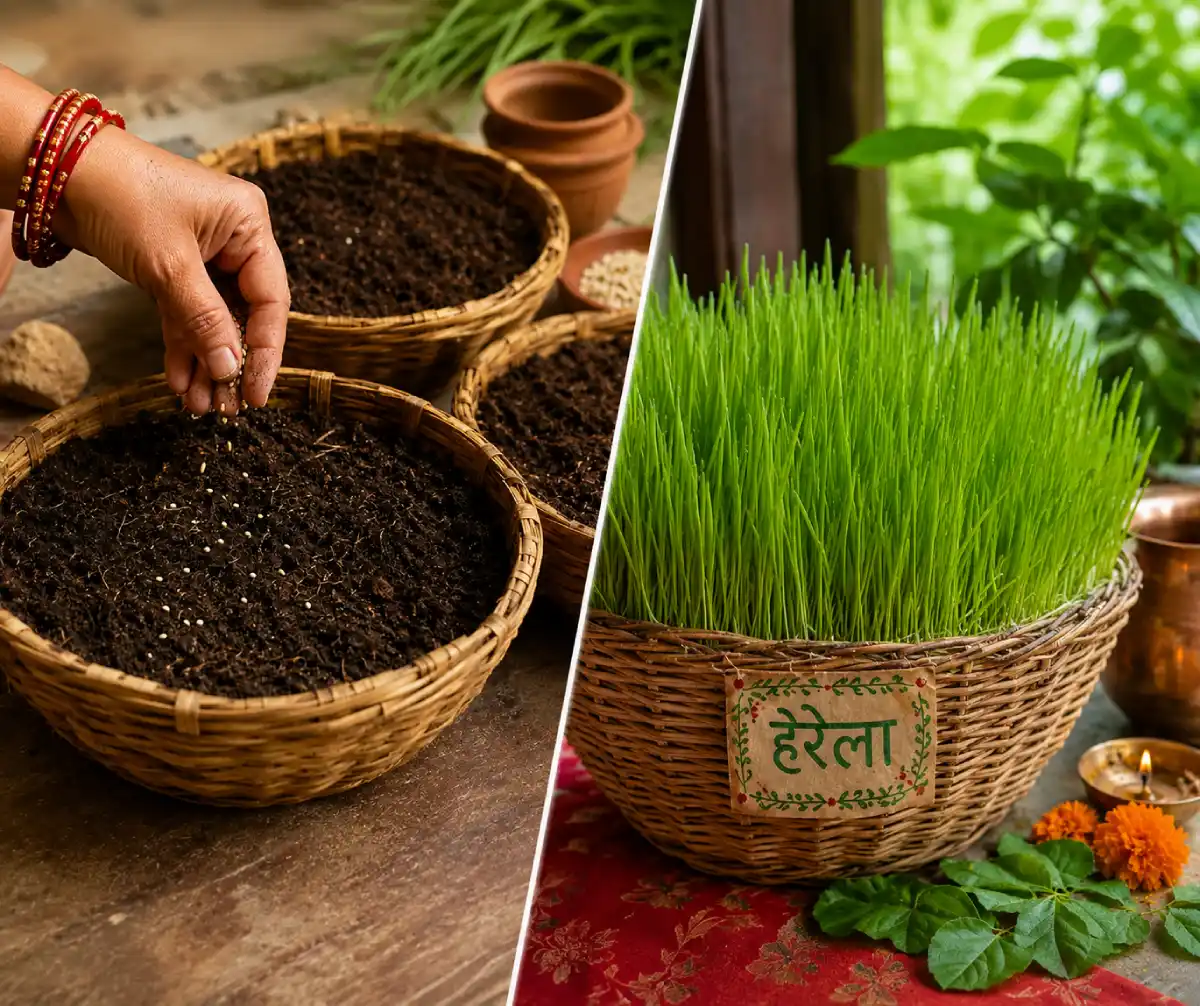
Harela is a traditional festival in which families sow different types of grains in a small basket or container filled with soil.
This is usually done several days before the main festival. Seeds such as wheat, barley, maize, mustard and pulses may be used. The container is kept inside the house and watered regularly.
Within a few days, fresh green shoots begin to appear. These shoots are called Harela.
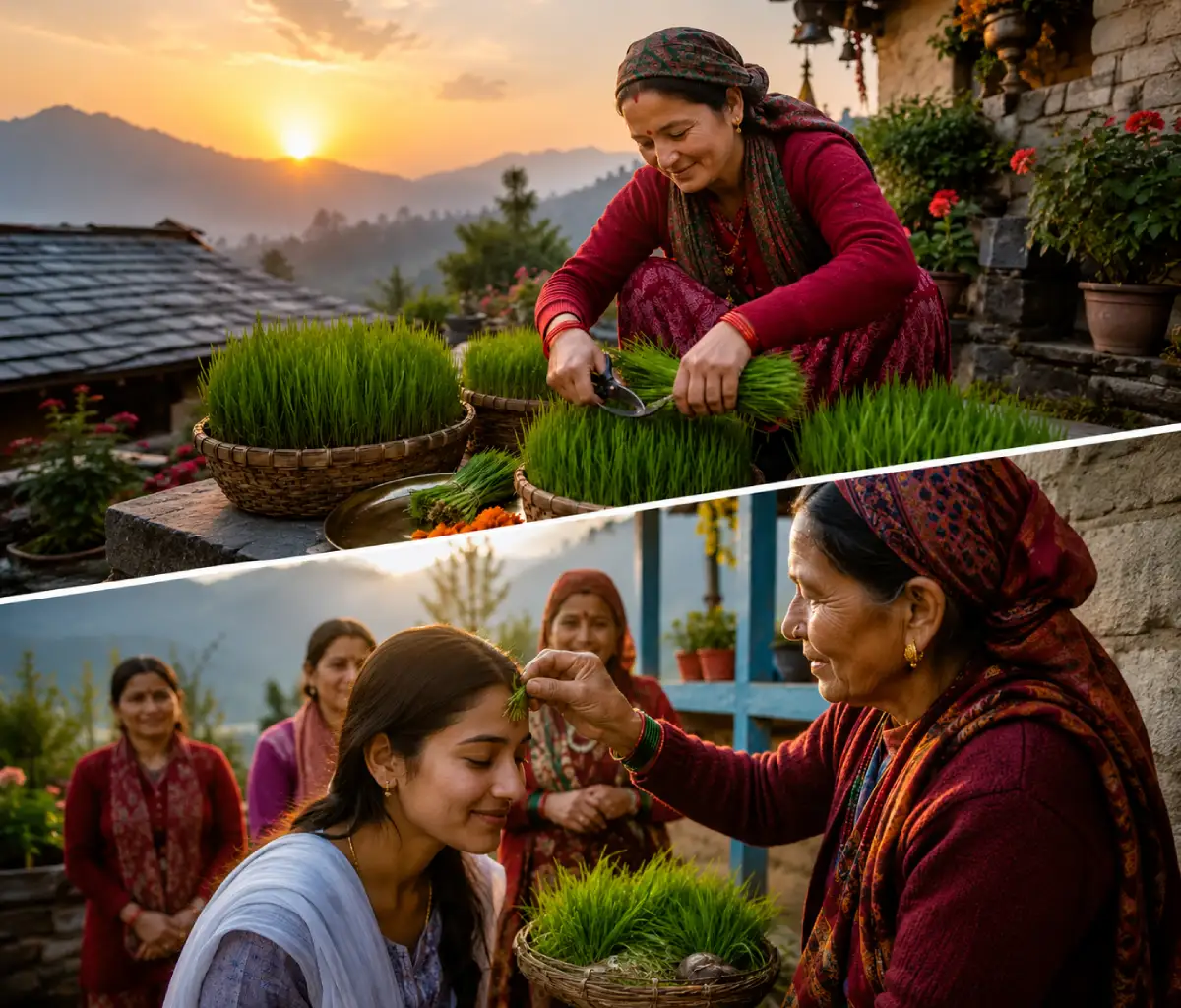
On the day of the festival, the Harela is cut and offered to the family deities. After the prayers, elders bless younger members of the family by placing the green shoots on their heads or behind their ears.
For people who have grown up in Kumaoni households, this is one of the most familiar traditions associated with Harela. The green shoots are considered a sign of good fortune, prosperity and a healthy agricultural season.
Why Is Harela Celebrated?
Harela is mainly celebrated to welcome the monsoon and the new farming season.
Life in the hills of Uttarakhand has traditionally depended heavily on agriculture, forests and rainfall. Before modern irrigation became available in many areas, farmers relied greatly on seasonal rains for their crops.
The arrival of the monsoon was therefore not just a change in weather. It meant that fields could be prepared and a new crop cycle could begin.
Harela became a way for families to pray for good rainfall, healthy crops and prosperity.
The festival also has a religious connection with Lord Shiva and Goddess Parvati. Shravan is an important month for the worship of Lord Shiva, and Uttarakhand itself has a long association with Shiva temples and traditions.
In some Kumaoni families, small clay figures of Shiva, Parvati and other deities, known as Dikare, are also prepared and worshipped around the festival.
When Is Harela?
People often search for when is Harela because the English-calendar date is not exactly the same every year.
The main Harela festival is celebrated on Kark Sankranti, which marks the beginning of the month of Shravan according to the traditional solar calendar followed in Kumaon.
In the Gregorian calendar, Harela generally falls on 16 July or 17 July.
Preparations begin around nine or ten days earlier, when the seeds are sown at home.
Harela is also associated with other seasonal periods during the year, but the festival celebrated at the beginning of Shravan is the one most commonly recognised as Harela across Uttarakhand.
According to the traditional calendar, it can therefore be understood simply as:
Kark Sankranti – The Beginning of Shravan Month
Harela Festival Is Celebrated In Which State?
If you are wondering Harela Festival is celebrated in which state, the answer is Uttarakhand.
The festival is particularly important in the Kumaon region and is widely celebrated in areas such as Almora, Bageshwar, Nainital, Champawat and Pithoragarh.
In villages across Kumaon, Harela has long been part of family life. People living outside Uttarakhand also continue the tradition, especially those whose families originally come from the Kumaon region.
Today, however, Harela is no longer limited only to Kumaon. It is celebrated across Uttarakhand, including many parts of Garhwal, through plantation programmes, cultural events and environmental campaigns.
How Is Harela Celebrated In Uttarakhand?
The celebration begins quietly inside the home.
A few days before Harela, grains are sown and looked after until the shoots are ready. On the morning of the festival, families perform prayers and offer the fresh Harela to their deities.
The elders of the family then bless children and younger relatives with the green shoots.
Traditional meals are prepared, relatives visit each other and people exchange good wishes.
In many places, the festival has also become a day for planting trees. Schools, local organisations, government departments and community groups organise plantation activities to encourage people to protect forests and increase greenery.
This modern tradition fits naturally with the original meaning of Harela because the festival has always been about growth, greenery and the relationship between people and the land.
Harela Is More Than Just A Festival
What makes Harela special is its simplicity.
There are no elaborate celebrations required. A handful of seeds, some soil and a few days of care are enough to keep the tradition alive.
For Uttarakhand, Harela is a reminder of the way people in the mountains have always lived close to nature. It celebrates rainfall, farming, family blessings and the hope of a good season ahead.
Even as lifestyles change, Harela Festival Uttarakhand continues to carry the same message: respect nature, protect the environment and stay connected with the traditions that have shaped life in the hills for generations.
“जी रया, जागि रया,
यो दिन-यो बार भ्यटनै रया तुमरि दुब जस जड़,
पातिक जस पौव है जौ”||